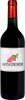
Les Grands Vignobles SudChevalier de Mermian
 Red wine
This wine generally goes well with beef, veal or pasta.
Food and wine pairings with Chevalier de Mermian
Pairings that work perfectly with Chevalier de Mermian



Original food and wine pairings with Chevalier de Mermian
The Chevalier de Mermian of Les Grands Vignobles Sud matches generally quite well with dishes of beef, pasta or veal such as recipes of beef tagine with prunes and almonds, salmon cannelloni or veal shoulder with cream and tarragon.
Details and technical informations about Les Grands Vignobles Sud's Chevalier de Mermian.
Discover the grape variety: Guillemot
Most certainly from Béarn. It should not be confused with the blancard - or palougue - because they both have the same synonym coer de baco. The Guillemot is practically no longer present in the vineyard and is therefore on the verge of extinction. According to published genetic analyses, it is the result of a natural cross between the Manseng Noir and the Verjuice. For more information on other relatives, click here !
Informations about the Les Grands Vignobles Sud
The Les Grands Vignobles Sud is one of of the world's greatest estates. It offers 13 wines for sale in the of Languedoc to come and discover on site or to buy online.

The wine region of Languedoc
Languedoc (formerly Coteaux du Languedoc) is a key appellation used in the Languedoc-Roussillon wine region of southern France. It covers Dry table wines of all three colors (red, white and rosé) from the entire region, but leaves Sweet and Sparkling wines to other more specialized appellations. About 75% of all Languedoc wines are red, with the remaining 25% split roughly down the middle between whites and rosés. The appellation covers most of the Languedoc region and almost a third of all the vineyards in France.
The wine region of Languedoc-Roussillon
Languedoc (formerly Coteaux du Languedoc) is a key appellation used in the Languedoc-Roussillon wine region of southern France. It covers Dry table wines of all three colors (red, white and rosé) from the entire region, but leaves Sweet and Sparkling wines to other more specialized appellations. About 75% of all Languedoc wines are red, with the remaining 25% split roughly down the middle between whites and rosés. The appellation covers most of the Languedoc region and almost a third of all the vineyards in France.
The word of the wine: Flavours (families of)
Aromas are classified into categories called families of aromas: fruity, floral, fermentative, vegetal, woody, balsamic, spicy, mineral, empyreumatic, animal.