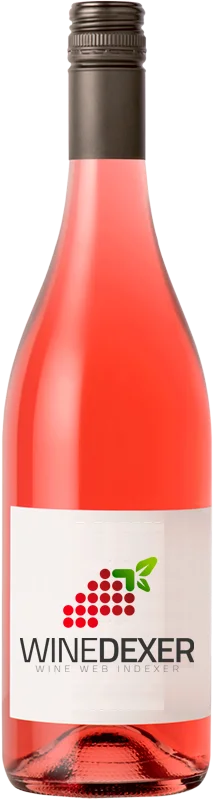
Winery Les Celliers de MeknèsDomaine Ain Lorma Gris
 Pink wine
This wine generally goes well with beef and mature and hard cheese.

Food and wine pairings with Domaine Ain Lorma Gris
Pairings that work perfectly with Domaine Ain Lorma Gris


Original food and wine pairings with Domaine Ain Lorma Gris
The Domaine Ain Lorma Gris of Winery Les Celliers de Meknès matches generally quite well with dishes of beef or mature and hard cheese such as recipes of marinated shrimp skewers with garlic or shepherd's pie and leek fondue.
Details and technical informations about Winery Les Celliers de Meknès's Domaine Ain Lorma Gris.
Discover the grape variety: Arnsburger
Lively and fruity whites with a pale golden colour, a light palate with preserved acidity and signature aromas of citrus (lemon), white flowers, white-fleshed fruits (green apple) and light mineral notes. Close to Riesling without matching its finesse. Grown on small surfaces in Germany and Madeira for dry whites and sparkling base wines. German white variety obtained in 1939 at Geisenheim by Helmut Becker (Riesling × Riesling), late-ripening and productive.
Informations about the Winery Les Celliers de Meknès
The Winery Les Celliers de Meknès is one of of the world's great estates. It offers 86 wines for sale in the of Meknès to come and discover on site or to buy online.

The wine region of Meknès
Morocco's leading wine terroir at the foot of the Middle Atlas (60% of national production), at 550 m altitude, continental climate moderated by the mountains, 240 days of sunshine. Cabernet Sauvignon and Syrah are the signature reds with ripe cassis, blackberry, plum, garrigue, pepper and balsamic notes, ripe tannins and solar body. Traditional Carignan and Cinsault for fruity reds and gris. AOG Guerrouane and Beni M'Tir, Morocco's first AOC Coteaux de l'Atlas.
The word of the wine: Reassembly
During the vinification process, a "cap" is formed at the top of the vats with the solid parts (skin, pulp, pips, etc.), which contain tannins and colouring elements. Pumping over consists of emptying the vat from the bottom and pouring the juice back to the top, in order to mix the cap and the juice and to favour the exchange and the extraction. This old technique allows a better exchange between the solid parts and the liquid.