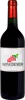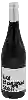
Winery Les Celliers de l'IliadeBaron de Favet
 Red wine



In the mouth this red wine is a powerful with a nice balance between acidity and tannins.
This wine generally goes well with beef, veal or pasta.

Taste structure of the Baron de Favet from the Winery Les Celliers de l'Iliade
Light | Bold | |
Smooth | Tannic | |
Dry | Sweet | |
Soft | Acidic |
In the mouth the Baron de Favet of Winery Les Celliers de l'Iliade in the region of Vin de France is a powerful with a nice balance between acidity and tannins.
Food and wine pairings with Baron de Favet
Pairings that work perfectly with Baron de Favet



Original food and wine pairings with Baron de Favet
The Baron de Favet of Winery Les Celliers de l'Iliade matches generally quite well with dishes of beef, pasta or veal such as recipes of provencal stew, pistou soup complete or potjevleesch.
Details and technical informations about Winery Les Celliers de l'Iliade's Baron de Favet.
Discover the grape variety: Cabernet-Dorsa
Very deeply coloured, structured reds with an inky robe, firm tannins and fresh acidity, with intense aromas of blackcurrant, blackberry, plum, pepper, spice and herbal blackcurrant-leaf notes. Dense palate, persistent finish. Grown in Germany (Württemberg, Palatinate, Rheinhessen) for modern-styled dry reds and blends seeking colour and substantial structure. German variety created in 1971 in Weinsberg, a cross of Dornfelder × Cabernet Sauvignon.
Last vintages of this wine
The best vintages of Baron de Favet from Winery Les Celliers de l'Iliade are 2008
Informations about the Winery Les Celliers de l'Iliade
The Winery Les Celliers de l'Iliade is one of of the world's great estates. It offers 94 wines for sale in the of Vin de France to come and discover on site or to buy online.

The wine region of Vin de France
The freest category of French wine, the playground of winemakers working outside the AOC. All styles combined: fruity reds, lively or ambitious whites, everyday rosés, unusual blends, natural wines, atypical grapes (Petit Manseng in Languedoc, Riesling in Provence), experimental winemaking (skin-contact whites, no sulphur). Grape and vintage labelling allowed, no geographic constraint. From the pop, convivial cuvée to the artisan gem: freedom in a bottle.
The word of the wine: Red winemaking
Transformation of grapes into must and wine under the effect of alcoholic fermentation. The vinification of red wines takes place in several stages: destemming, crushing, alcoholic fermentation, vatting, running off and maturing.