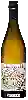
Winery LergenmüllerPrivatreserve Weisser Burgunder
 White wine


In the mouth this white wine is a with a nice freshness.
This wine generally goes well with rich fish (salmon, tuna etc), shellfish or mild and soft cheese.

Taste structure of the Privatreserve Weisser Burgunder from the Winery Lergenmüller
Light | Bold | |
Dry | Sweet | |
Soft | Acidic |
In the mouth the Privatreserve Weisser Burgunder of Winery Lergenmüller in the region of Pfalz is a with a nice freshness.
Wine flavors and olphactive analysis

On the nose the Privatreserve Weisser Burgunder of Winery Lergenmüller in the region of Pfalz often reveals types of flavors of vegetal, tropical fruit.
Food and wine pairings with Privatreserve Weisser Burgunder
Pairings that work perfectly with Privatreserve Weisser Burgunder



Original food and wine pairings with Privatreserve Weisser Burgunder

The Privatreserve Weisser Burgunder of Winery Lergenmüller matches generally quite well with dishes of rich fish (salmon, tuna etc), shellfish or mild and soft cheese such as recipes of salmon with sorrel, squid with garlic and parsley or vegetarian burgers with coral lentils.
Details and technical informations about Winery Lergenmüller's Privatreserve Weisser Burgunder.
Discover the grape variety: Doradilla
Fresh, simple dry whites with a pale golden robe, a supple palate and moderate acidity, with unassuming aromas of citrus, white flowers and Andalusian herbal notes. Also made as sweet fortified wines and mistelles with candied fruit and honey notes. A traditional component of Málaga DO and Sierras de Málaga DO wines, productive and heat-resistant. Native Spanish white grape from Andalusia, mainly in Málaga province.
Last vintages of this wine
The best vintages of Privatreserve Weisser Burgunder from Winery Lergenmüller are 2014, 0
Informations about the Winery Lergenmüller
The Winery Lergenmüller is one of of the world's great estates. It offers 85 wines for sale in the of Pfalz to come and discover on site or to buy online.

The wine region of Pfalz
Fleshy, dry, fruity Riesling is the region's signature: yellow peach, apricot, ripe citrus, lovely mineral tension. Germany's largest red-wine area (40%), with silky Spätburgunder showing red fruit and spice, darker structured Dornfelder, supple Portugieser. Some rounded Pinot Blanc and Pinot Gris. A 23,640 ha vineyard along the Haardt, among Germany's warmest (>2,000 h of sun).
The word of the wine: Maturing (champagne)
After riddling, the bottles are stored on "point", upside down, with the neck of one bottle in the bottom of the other. The duration of this maturation is very important: in contact with the dead yeasts, the wine takes on subtle aromas and gains in roundness and fatness. A brut without year must remain at least 15 months in the cellar after bottling, a vintage 36 months.