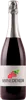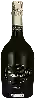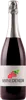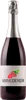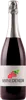
Winery Le VolpereValdobbiadene Prosecco Superiore Ripido Extra Dry
 Sparkling wine


In the mouth this sparkling wine is a with a nice vivacity and a fine and pleasant bubble.
This wine generally goes well with vegetarian, appetizers and snacks or shellfish.
Taste structure of the Valdobbiadene Prosecco Superiore Ripido Extra Dry from the Winery Le Volpere
Light | Bold | |
Soft | Acidic | |
Gentle | Fizzy |
In the mouth the Valdobbiadene Prosecco Superiore Ripido Extra Dry of Winery Le Volpere in the region of Veneto is a with a nice vivacity and a fine and pleasant bubble.
Food and wine pairings with Valdobbiadene Prosecco Superiore Ripido Extra Dry
Pairings that work perfectly with Valdobbiadene Prosecco Superiore Ripido Extra Dry



Original food and wine pairings with Valdobbiadene Prosecco Superiore Ripido Extra Dry


The Valdobbiadene Prosecco Superiore Ripido Extra Dry of Winery Le Volpere matches generally quite well with dishes of shellfish, vegetarian or appetizers and snacks such as recipes of shrimp marinade, quiche with bacon and gruyère cheese or stuffed sea almonds with cream cheese.
Details and technical informations about Winery Le Volpere's Valdobbiadene Prosecco Superiore Ripido Extra Dry.
Discover the grape variety: Courbu
Courbu is indigenous to the Pyrenean vineyards. This white grape variety is part of the Jurançon family. Three clones are recognized in this variety, which buds in the medium term, develops regularly and has satisfactory productivity. The way in which the shoots form is characteristic. Initially upright, they bend and curve, giving a parasol-like finish to the vine. A vigorous rootstock is recommended to see the Courbu develop and mature at a late age. The small clusters display quite distinctive features. Not necessarily winged, they are pignate and stocky, with a rounded or rather flattened shape. A light pink veil covers the most mature berries, but the original colour varies from yellow-green to golden white. Vinification enhances the juice of this variety. The bouquet becomes more refined with age under a pale yellow colour. Dry or sweet, this wine is always remarkably fine.
Last vintages of this wine
The best vintages of Valdobbiadene Prosecco Superiore Ripido Extra Dry from Winery Le Volpere are 0
Informations about the Winery Le Volpere
The Winery Le Volpere is one of of the world's greatest estates. It offers 8 wines for sale in the of Conegliano-Valdobbiadene Prosecco Superiore to come and discover on site or to buy online.

The wine region of Conegliano-Valdobbiadene Prosecco Superiore
The wine region of Conegliano-Valdobbiadene Prosecco Superiore is located in the region of Conegliano-Valdobbiadene Prosecco of Vénétie of Italy. Wineries and vineyards like the Domaine PDC di De Conti Pietro or the Domaine Altaneve produce mainly wines sparkling, sweet and red. The most planted grape varieties in the region of Conegliano-Valdobbiadene Prosecco Superiore are Glera, Chardonnay and Sangiovese, they are then used in wines in blends or as a single variety. On the nose of Conegliano-Valdobbiadene Prosecco Superiore often reveals types of flavors of citrus, honey or ginger and sometimes also flavors of lemon, white peach or stone.
The wine region of Veneto
Veneto is an important and growing wine region in northeastern Italy. Veneto is administratively Part of the Triveneto area, aLong with its smaller neighbors, Trentino-Alto Adige and Friuli-Venezia Giulia. In terms of geography, culture and wine styles, it represents a transition from the Alpine and Germanic-Slavic end of Italy to the warmer, drier, more Roman lands to the South. Veneto is slightly smaller than the other major Italian wine regions - Piedmont, Tuscany, Lombardy, Puglia and Sicily - but it produces more wine than any of them.
The word of the wine: Phylloxera
Aphid that came from America and ravaged European vineyards at the end of the 19th century. It lives on the roots of the vine, from which it pumps the sap. The only vines capable of resisting it had to be imported from the United States, and then grafted onto their root system the wood of traditional French grape varieties. Today, grafted vines are always planted.