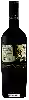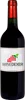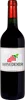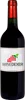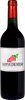
Winery Le Vigne di SammarcoNero di Troia
 Red wine


In the mouth this red wine is a powerful.
This wine generally goes well with beef, lamb or pasta.
The Nero di Troia of the Winery Le Vigne di Sammarco is in the top 70 of wines of Puglia.

Taste structure of the Nero di Troia from the Winery Le Vigne di Sammarco
Light | Bold | |
Smooth | Tannic | |
Dry | Sweet | |
Soft | Acidic |
In the mouth the Nero di Troia of Winery Le Vigne di Sammarco in the region of Puglia is a powerful.
Wine flavors and olphactive analysis




On the nose the Nero di Troia of Winery Le Vigne di Sammarco in the region of Puglia often reveals types of flavors of non oak, oak or spices and sometimes also flavors of red fruit, black fruit or dried fruit.
Food and wine pairings with Nero di Troia
Pairings that work perfectly with Nero di Troia



Original food and wine pairings with Nero di Troia
The Nero di Troia of Winery Le Vigne di Sammarco matches generally quite well with dishes of beef, lamb or pasta such as recipes of beef tournedos with boursin, mediterranean lamb necklace or lasagna bolognese.
Details and technical informations about Winery Le Vigne di Sammarco's Nero di Troia.
Discover the grape variety: Nero di Troia
Structured, intensely colored reds with a deep dark ruby robe, firm tannins and a dense palate, with signature aromas of black fruits (blackberry, blackcurrant), plum, spices, Mediterranean garrigue and balsamic notes. Fine ageing potential, sunny Apulian profile. Absolute star of Castel del Monte Nero di Troia Riserva DOCG, defining the great reds of Puglia. Indigenous Italian black variety from Puglia, grown mainly around Castel del Monte.
Last vintages of this wine
The best vintages of Nero di Troia from Winery Le Vigne di Sammarco are 2014, 2021, 2018, 0 and 2019.
Informations about the Winery Le Vigne di Sammarco
The Winery Le Vigne di Sammarco is one of of the world's greatest estates. It offers 41 wines for sale in the of Puglia to come and discover on site or to buy online.

The wine region of Puglia
Heel of the boot, 80% red vineyard, sunny and generous. Fleshy, jammy Primitivo (= Zinfandel) with notes of black cherry, plum, chocolate and spices, powerful alcohol and melted tannins, a star in Primitivo di Manduria. Deep, structured Negroamaro (black-bitter) with a bitter finish in Salice Salentino. Structured Nero di Troia, spicy Susumaniello.
The word of the wine: Oenologist
Specialist in wine-making techniques. It is a profession and not a passion: one can be an oenophile without being an oenologist (and the opposite too!). Formerly attached to the Faculty of Pharmacy, oenology studies have become independent and have their own university course. Learning to make wine requires a good chemical background but also, increasingly, a good knowledge of the plant. Some oenologists work in laboratories (analysis). Others, the consulting oenologists, work directly in the properties.