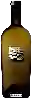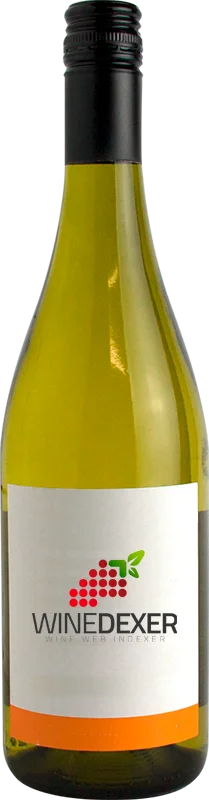
Winery Le Vieux PinRoussanne
 White wine


This wine generally goes well with

Details and technical informations about Winery Le Vieux Pin's Roussanne.
Discover the grape variety: Roussanne
Aromatic and elegant whites, rich yet lifted by fine freshness, with hawthorn, honeysuckle, apricot, pear, honey, green tea, mineral and herbal notes. Fine ageing potential. Key variety in the great whites of the northern Rhône (Hermitage, Crozes-Hermitage, Saint-Joseph, Saint-Péray) blended with marsanne, and one of the 13 permitted grapes at Châteauneuf-du-Pape. Native Rhône variety.
Last vintages of this wine

The best vintages of Roussanne from Winery Le Vieux Pin are 0, 2018
Informations about the Winery Le Vieux Pin
The Winery Le Vieux Pin is one of of the world's great estates. It offers 24 wines for sale in the of Okanagan Valley to come and discover on site or to buy online.

The wine region of Okanagan Valley
Main vineyard of western Canada, unique climatic contrast. Cooler north: fine Pinot Noir with red fruits, mineral Riesling, balanced Chardonnay. Sunny desert south (Osoyoos): firm Cabernet Sauvignon, round Merlot, spicy deep Syrah. World-renowned specialty: Icewine from Riesling or Vidal, sweet and concentrated (apricot, honey, candied fruits), from grapes frozen on the vine.
The wine region of British Columbia
Canada's west-coast benchmark, wine heartland in the Okanagan Valley. Semi-desert continental climate, marked temperature swings: signature Pinot Gris (pear, honey, spice, round palate), fresh, fine Pinot Noir (cherry, undergrowth), precise Chardonnay and taut Riesling in the north. Hot south for dense Cabernet Sauvignon, round Merlot and peppery Syrah. Also exceptional Icewine (Vidal, Riesling).
The word of the wine: Performance
Quantity of grapes harvested per hectare. In AOC, the average yield is limited on the proposal of the appellation syndicate, validated by the Inao. The use of high-performance plant material (especially clones) and better control of vine diseases have increased yields. This is not without consequences on the quality of the wines (dilution) and on the state of the market (too much wine). We must not over-simplify: low yields are not synonymous with quality, and it is often in years with generous harvests that we find the greatest vintages (1982 and 1986 in Bordeaux, 1996 in Champagne, 1990 and 2005 in Burgundy...).