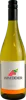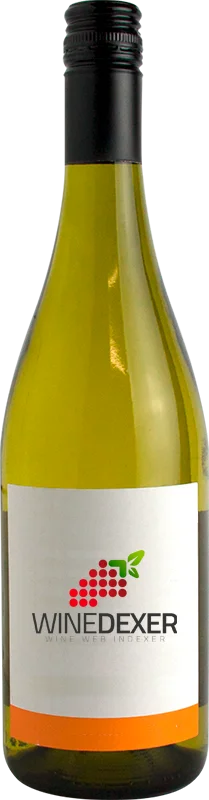
Winery La Petite SaviésannePetite Arvine
 White wine
This wine generally goes well with
Details and technical informations about Winery La Petite Saviésanne's Petite Arvine.
Discover the grape variety: Cornalin d'Aoste
It is a variety of Valle d'Aosta origin and, like Arvine, it is also found in Italy. In the past, it was cultivated in Savoy and registered in the official catalogue of wine grape varieties, list B, under the name of red humagne, but it is not related to white humagne. According to recent genetic analyses, the Swiss variety Cornalin du Valais is its father and Rèze its grandmother. It is also the grandson of the petit rouge d' Aoste.
Informations about the Winery La Petite Saviésanne
The Winery La Petite Saviésanne is one of of the world's greatest estates. It offers 12 wines for sale in the of Valais to come and discover on site or to buy online.

The wine region of Valais
The Valais is the largest wine region and appellation in Switzerland, responsible for around one third of the country's total wine production. The main Vineyard area covers the southeast-facing slopes of the dramatic Rhône river valley as the glacial waters run southwest between Leuk (Loeche in French) and Fully. The river changes direction at Martigny and then runs northwest to exit the valley and empty into Lac Léman (Lake Geneva). Vineyard area here comes to around 4,800 hectares (11,800 acres) and is generally located on (often steep) slopes and terraces between the flat, fertile, Heavy soils at the bottom of the valley - often given over to fruit production, industry and urban development - and the bare rock of the mountainside that towers above.
The word of the wine: Vegetative cycle
All the different phases of the vine's development: winter rest period, budburst, inflorescence, flowering, fruit set, veraison, ripening.