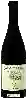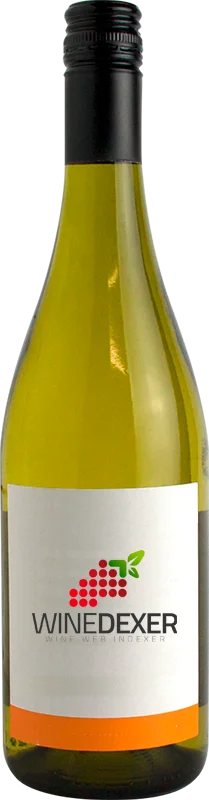
Winery Le Petit BéretMuscat Sec
 Sweet wine
This wine generally goes well with spicy food and sweet desserts.
Food and wine pairings with Muscat Sec
Pairings that work perfectly with Muscat Sec


Original food and wine pairings with Muscat Sec
The Muscat Sec of Winery Le Petit Béret matches generally quite well with dishes of spicy food or sweet desserts such as recipes of chicken curry and onions or very simple muffins.
Details and technical informations about Winery Le Petit Béret's Muscat Sec.
Discover the grape variety: Cabernet-Volos
An interspecific cross between Cabernet Sauvignon and Bianca obtained in Italy in 2002 by the University of Udine and the Institute of Applied Genetics. It can be found in Germany, Slovakia, ... in France it is almost unknown.
Informations about the Winery Le Petit Béret
The Winery Le Petit Béret is one of of the world's greatest estates. It offers 16 wines for sale in the of Languedoc-Roussillon to come and discover on site or to buy online.

The wine region of Languedoc-Roussillon
Languedoc (formerly Coteaux du Languedoc) is a key appellation used in the Languedoc-Roussillon wine region of southern France. It covers Dry table wines of all three colors (red, white and rosé) from the entire region, but leaves Sweet and Sparkling wines to other more specialized appellations. About 75% of all Languedoc wines are red, with the remaining 25% split roughly down the middle between whites and rosés. The appellation covers most of the Languedoc region and almost a third of all the vineyards in France.
The word of the wine: Final
A more or less lasting impression that is felt in the mouth once the wine has been swallowed (or spat out in the case of a professional tasting). The finish can be short or persistent.