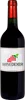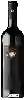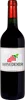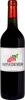
Winery Le CorneCornellino Rosso
 Red wine


In the mouth this red wine is a .
This wine generally goes well with beef, game (deer, venison) or lamb.

Taste structure of the Cornellino Rosso from the Winery Le Corne
Light | Bold | |
Smooth | Tannic | |
Dry | Sweet | |
Soft | Acidic |
In the mouth the Cornellino Rosso of Winery Le Corne in the region of Lombardia is a .
Food and wine pairings with Cornellino Rosso
Pairings that work perfectly with Cornellino Rosso



Original food and wine pairings with Cornellino Rosso

The Cornellino Rosso of Winery Le Corne matches generally quite well with dishes of beef, pasta or lamb such as recipes of mexican beef tacos, spaghetti neapolitan style or moroccan lamb shoulder.
Details and technical informations about Winery Le Corne's Cornellino Rosso.
Discover the grape variety: Florental
Simple, colourful fruity reds with a dark ruby hue, lightly marked to firm tannins and a straightforward palate; signature aromas of red fruits (cherry, raspberry), gentle spices and herbaceous notes. Modern, productive profile. Grown in small quantities in France and Belgium, used in organic and sustainable vineyards, part of the new generation of disease-resistant varieties. French black hybrid developed in the 20th century.
Last vintages of this wine

The best vintages of Cornellino Rosso from Winery Le Corne are 0, 2018
Informations about the Winery Le Corne
The Winery Le Corne is one of of the world's great estates. It offers 31 wines for sale in the of Lombardia to come and discover on site or to buy online.

The wine region of Lombardia
Three poles. Franciacorta DOCG, Italy's answer to Champagne: elegant brioche traditional-method sparklers (Chardonnay, Pinot Noir, Pinot Blanc), fine bubble and mineral profile. Alpine Valtellina: Nebbiolo (alias Chiavennasca) with fine tannins and red fruits, powerful Sforzato passito. Oltrepò Pavese: fresh Pinot Noir and fruity-sparkling Bonarda.
The word of the wine: Removal of shoes
In the spring, this operation consists of removing the mound of earth formed at the foot of the vines by ploughing between the rows in the autumn.