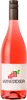
Winery Le Comptoir des Vins de FlassansSecret de Comptoir Côtes de Provence Blanc
 White wine



This wine generally goes well with

Details and technical informations about Winery Le Comptoir des Vins de Flassans's Secret de Comptoir Côtes de Provence Blanc.
Discover the grape variety: Béquignol
Deeply coloured, structured reds with a sustained purple robe, firm tannins, an ample palate and moderate acidity; signature aromas of dark fruits (blackberry, blackcurrant), spices and rustic notes from Aveyron. Full-bodied, age-worthy style. Preserved in a few heritage plots of the IGP Aveyron, among the ancient South-West varieties studied for their genetic interest. Indigenous French black grape from the South-West, grown in Aveyron and the Lot.
Last vintages of this wine
The best vintages of Secret de Comptoir Côtes de Provence Blanc from Winery Le Comptoir des Vins de Flassans are 2012
Informations about the Winery Le Comptoir des Vins de Flassans
The Winery Le Comptoir des Vins de Flassans is one of of the world's greatest estates. It offers 20 wines for sale in the of Provence to come and discover on site or to buy online.

The wine region of Provence
World capital of dry, refined rosé (~90% of production). Pale rose-petal colour, delicate nose of fresh red fruits (strawberry, raspberry, redcurrant), citrus (pink grapefruit), white flowers and a mineral touch, taut and thirst-quenching palate — the Mediterranean aperitif par excellence. Blends of Grenache, Cinsault, Syrah, Tibouren and Mourvèdre. Fleshy Bandol reds from Mourvèdre (leather, garrigue, age-worthy), straight Cassis whites.
The word of the wine: Alcohol
A generic term for the various alcohols produced during fermentation that give the wine body, structure and warmth.