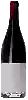
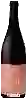
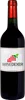
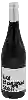
Le Clos des GrillonsŒillet Rouge(s)
 Red wine


This wine generally goes well with beef and mature and hard cheese.

Food and wine pairings with Œillet Rouge(s)
Pairings that work perfectly with Œillet Rouge(s)


Original food and wine pairings with Œillet Rouge(s)
The Œillet Rouge(s) of Le Clos des Grillons matches generally quite well with dishes of beef or mature and hard cheese such as recipes of beef tongue with vegetables and madeira sauce or tomato and comté pie.
Details and technical informations about Le Clos des Grillons's Œillet Rouge(s).
Discover the grape variety: Villaris
Aromatic, fresh whites with a pale golden robe, a supple palate with preserved acidity. Signature aromas of white flowers, white-fleshed fruits (apple, pear) and light muscat notes. Productive and mildew-resistant. Grown in Germany and Belgium for organic and integrated-management vineyards, contributing to modern northern whites. A German white hybrid from Geilweilerhof, a disease-resistant cross involving the Sirius.
Last vintages of this wine
The best vintages of Œillet Rouge(s) from Le Clos des Grillons are 2019, 2018
Informations about the Le Clos des Grillons
The Le Clos des Grillons is one of of the world's greatest estates. It offers 26 wines for sale in the of Vin de France to come and discover on site or to buy online.

The wine region of Vin de France
The freest category of French wine, the playground of winemakers working outside the AOC. All styles combined: fruity reds, lively or ambitious whites, everyday rosés, unusual blends, natural wines, atypical grapes (Petit Manseng in Languedoc, Riesling in Provence), experimental winemaking (skin-contact whites, no sulphur). Grape and vintage labelling allowed, no geographic constraint. From the pop, convivial cuvée to the artisan gem: freedom in a bottle.
The word of the wine: Aging
Period during which a wine is kept in a cellar where it goes through different phases of evolution of its aromatic range and a maturation of its constituents (evolution of the colour, refining of the tannins, harmonization of the different flavours, etc.). The wine evolves better and less quickly in large containers, whereas it deteriorates prematurely in half-bottles.