The Winery Laurent Martray of Beaujolais
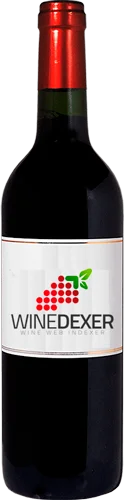
The Winery Laurent Martray is one of the best wineries to follow in Beaujolais.. It offers 9 wines for sale in of Beaujolais to come and discover on site or to buy online.
Looking for the best Winery Laurent Martray wines in Beaujolais among all the wines in the region? Check out our tops of the best red, white or effervescent Winery Laurent Martray wines. Also find some food and wine pairings that may be suitable with the wines from this area. Learn more about the region and the Winery Laurent Martray wines with technical and enological descriptions.
How Winery Laurent Martray wines pair with each other generally quite well with dishes of pasta, veal or pork such as recipes of lasagne with two salmons, veal roast casserole with mushrooms or green lentils strasbourg style.
On the nose the red wine of Winery Laurent Martray. often reveals types of flavors of red fruit, earthy or earth and sometimes also flavors of cherry, blackberry or red fruit. In the mouth the red wine of Winery Laurent Martray. is a with a nice freshness.
Kingdom of Gamay (98% of the vineyard): fruity, accessible reds with signature notes of cherry, raspberry, banana (carbonic maceration), violet and sweet spices, supple tannins and juicy acidity. From festive Beaujolais Nouveau (3rd Thursday of November) to the 10 more structured, age-worthy Crus: deep earthy Morgon, sturdy Moulin-à-Vent, floral Fleurie, crunchy Brouilly. Some lively Chardonnay. 12,000 ha south of Burgundy, granitic soils.
Immediate pleasure.
Planning a wine route in the of Beaujolais? Here are the wineries to visit and the winemakers to meet during your trip in search of wines similar to Winery Laurent Martray.
Structured, colourful reds with a deep purple hue, firm tannins and a dense palate with fresh acidity; signature aromas of dark fruits (blackberry, blackcurrant), plum, spices, chocolate and American earthy notes. Good rustic ageing potential. The grape of Missouri, defining regional identity, widely grown across the USA (Virginia, Arkansas). American black hybrid derived from Vitis aestivalis, discovered around 1820 by Dr Daniel Norton in Virginia.