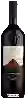
Winery LauncelotPinot Grigio
 White wine


In the mouth this white wine is a .
This wine generally goes well with vegetarian, shellfish or mushrooms.
Taste structure of the Pinot Grigio from the Winery Launcelot
Light | Bold | |
Dry | Sweet | |
Soft | Acidic |
In the mouth the Pinot Grigio of Winery Launcelot in the region of Veneto is a .
Wine flavors and olphactive analysis

Food and wine pairings with Pinot Grigio
Pairings that work perfectly with Pinot Grigio


Original food and wine pairings with Pinot Grigio

The Pinot Grigio of Winery Launcelot matches generally quite well with dishes of shellfish, vegetarian or mushrooms such as recipes of chinese fried shrimp ravioli, quiche without pastry, courgette and blue cheese or chicken with tomato.
Details and technical informations about Winery Launcelot's Pinot Grigio.
Discover the grape variety: Araignan
Araignan blanc is a grape variety that originated in France (south of France). It produces a variety of grape specially used for wine making. It is rare to find this grape to eat on our tables. This variety of grape is characterized by large bunches and large grapes. Araignan blanc is found in the vineyards of Provence and Corsica.
Informations about the Winery Launcelot
The Winery Launcelot is one of of the world's great estates. It offers 16 wines for sale in the of Veneto to come and discover on site or to buy online.

The wine region of Veneto
Veneto is an important and growing wine region in northeastern Italy. Veneto is administratively Part of the Triveneto area, aLong with its smaller neighbors, Trentino-Alto Adige and Friuli-Venezia Giulia. In terms of geography, culture and wine styles, it represents a transition from the Alpine and Germanic-Slavic end of Italy to the warmer, drier, more Roman lands to the South. Veneto is slightly smaller than the other major Italian wine regions - Piedmont, Tuscany, Lombardy, Puglia and Sicily - but it produces more wine than any of them.
The word of the wine: Courgée
Name of the fruiting branch left after pruning and which is then arched along the trellis in the Jura (in the Mâconnais, it is called the tail).