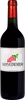
Winery LaudumMonastrell Criado en Barricas de Roble
 Red wine



In the mouth this red wine is a powerful with a nice balance between acidity and tannins.
This wine generally goes well with beef, game (deer, venison) or lamb.

Taste structure of the Monastrell Criado en Barricas de Roble from the Winery Laudum
Light | Bold | |
Smooth | Tannic | |
Dry | Sweet | |
Soft | Acidic |
In the mouth the Monastrell Criado en Barricas de Roble of Winery Laudum in the region of Valence is a powerful with a nice balance between acidity and tannins.
Wine flavors and olphactive analysis




On the nose the Monastrell Criado en Barricas de Roble of Winery Laudum in the region of Valence often reveals types of flavors of non oak, earth or oak and sometimes also flavors of red fruit, black fruit.
Food and wine pairings with Monastrell Criado en Barricas de Roble
Pairings that work perfectly with Monastrell Criado en Barricas de Roble



Original food and wine pairings with Monastrell Criado en Barricas de Roble

The Monastrell Criado en Barricas de Roble of Winery Laudum matches generally quite well with dishes of beef, pasta or lamb such as recipes of beef colombo bourguignon style, pasta with tuna, garlic and lemon cream or meatballs catalan style.
Details and technical informations about Winery Laudum's Monastrell Criado en Barricas de Roble.
Discover the grape variety: Aurore
Light, fruity whites with a pale colour, supple palate and medium acidity, showing simple aromas of white fruits (apple, pear), white flowers, citrus and discreet muscat notes. A thirst-quenching style, also made sparkling. Grown in the north-eastern United States (New York, Pennsylvania) and Canada (Ontario), well-adapted to cold continental viticultural climates. American white hybrid created in 1860 by Albert Seibel (Seibel 788 × Seibel 29).
Last vintages of this wine
The best vintages of Monastrell Criado en Barricas de Roble from Winery Laudum are 2017, 2015, 2019, 0 and 2016.
Informations about the Winery Laudum
The Winery Laudum is one of of the world's greatest estates. It offers 28 wines for sale in the of Valence to come and discover on site or to buy online.

The wine region of Valence
Sunny Mediterranean Levant, sun-drenched accessible wines. Monastrell (Mourvèdre) star red in Alicante: fleshy and deep with black fruits, garrigue, leather and spice, firm tannins. Round, fruity Bobal from Utiel-Requena, supple Garnacha, juicy Tempranillo. Fresh whites: light Merseguera, aromatic Moscatel (fresh grape, flowers).
The word of the wine: Traditional method
Also known as the Champagne method, this is the elaboration of sparkling wines according to the second fermentation method in the bottle.