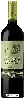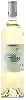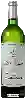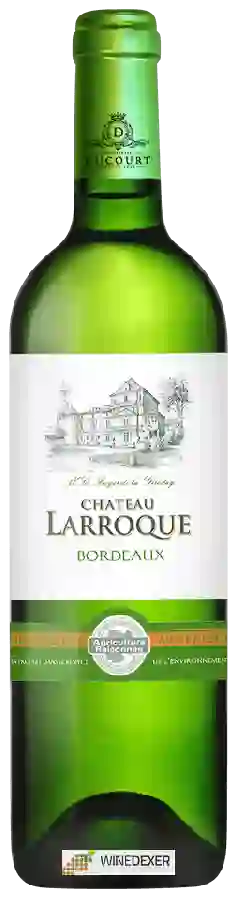
Château LarroqueBordeaux Blanc
 White wine


In the mouth this white wine is a powerful with a nice freshness.
This wine generally goes well with pork, vegetarian or poultry.

Taste structure of the Bordeaux Blanc from the Château Larroque
Light | Bold | |
Dry | Sweet | |
Soft | Acidic |
In the mouth the Bordeaux Blanc of Château Larroque in the region of Bordeaux is a powerful with a nice freshness.
Food and wine pairings with Bordeaux Blanc
Pairings that work perfectly with Bordeaux Blanc



Original food and wine pairings with Bordeaux Blanc


The Bordeaux Blanc of Château Larroque matches generally quite well with dishes of pork, vegetarian or poultry such as recipes of salty crumble with courgettes, goat cheese and bacon, spinach and goat cheese quiche or chicken and mushroom risotto.
Details and technical informations about Château Larroque's Bordeaux Blanc.
Discover the grape variety: Malvasia bianca di Basilicata
Rich, aromatic whites with a golden robe, an ample palate with moderate acidity, and signature aromas of yellow fruits (peach, apricot), almonds, white flowers (acacia) and honeyed notes. Also vinified as rich passito liqueur wines. Expresses itself particularly well in the whites of Vulture and Matera, marking the typical wines of southern Lucania. Malvasia variety grown in Basilicata, southern Italy.
Last vintages of this wine

The best vintages of Bordeaux Blanc from Château Larroque are 2018, 2017
Informations about the Château Larroque
The Château Larroque is one of of the world's greatest estates. It offers 4 wines for sale in the of Bordeaux to come and discover on site or to buy online.

The wine region of Bordeaux
World-renowned age-worthy reds, led by round Merlot (plum, black fruit) or firm Cabernet Sauvignon (blackcurrant, cedar, graphite), blended with Cabernet Franc and Petit Verdot for tannic structure. Structured Médoc and Graves, velvety Saint-Émilion and Pomerol. Also crisp dry whites (Sauvignon/Sémillon) and opulent sweet Sauternes with honey and candied fruit. A 110,000 ha Gironde vineyard, 65 appellations, cradle of the 1855 classified growths.
The word of the wine: Decanter
1) Glass container with a narrow neck used to aerate or decant the wine. 2) Decanter wines: wines that are drunk young and that were once drawn directly from the barrel. For example, some Muscadets or Beaujolais.