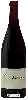
Winery LangevinSyrah
 Red wine



This wine generally goes well with beef, lamb or mature and hard cheese.

Food and wine pairings with Syrah
Pairings that work perfectly with Syrah



Original food and wine pairings with Syrah

The Syrah of Winery Langevin matches generally quite well with dishes of beef, lamb or spicy food such as recipes of improved horse steak, moroccan tagine with lamb and cardoons or chicken in sauce.
Details and technical informations about Winery Langevin's Syrah.
Discover the grape variety: Roter Veltliner
Full-bodied, structured whites with good ageing potential, golden hue, a broad palate and preserved acidity, with aromas of almond, yellow fruits (peach, apricot), white flowers and spicy notes. Broad Austrian profile. Rarer than Grüner Veltliner, grown mainly in Lower Austria (Kamptal, Wagram), prized for distinctive age-worthy whites. Native Austrian grey variety with reddish skin.
Last vintages of this wine
The best vintages of Syrah from Winery Langevin are 2016
Informations about the Winery Langevin
The Winery Langevin is one of of the world's greatest estates. It offers 4 wines for sale in the of Pays d'Oc to come and discover on site or to buy online.

The wine region of Pays d'Oc
The single-grape IGP par excellence: modern, accessible, frank and fruity wines, the popular signature of the Midi. Spicy Syrah reds (pepper, blackberry), round Merlot, structured Cabernet, generous Grenache, supple Cinsault. Crisp, tangy rosés. Opulent Chardonnay whites, lively Sauvignon, floral, apricoty Viognier.
The word of the wine: Local wine
Table wine, but with the origin indicated. It corresponds to a particular legislation: the freedom to use grape varieties is greater than for the AOC, but the quality criteria such as the approval tastings can sometimes be more demanding. The legislation is still evolving, but for the moment there are three levels: regional (e.g. Vin de Pays d'Oc), departmental and local (e.g. Côtes de Thongue).