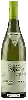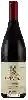
Château LandraVendanges d'Hiver
 Sweet wine



This wine generally goes well with poultry, rich fish (salmon, tuna etc) or shellfish.

Food and wine pairings with Vendanges d'Hiver
Pairings that work perfectly with Vendanges d'Hiver



Original food and wine pairings with Vendanges d'Hiver
The Vendanges d'Hiver of Château Landra matches generally quite well with dishes of rich fish (salmon, tuna etc), shellfish or poultry such as recipes of spinach, smoked salmon and ricotta lasagne, chinese noodles with shrimp or chicken and mushroom risotto.
Details and technical informations about Château Landra's Vendanges d'Hiver.
Discover the grape variety: Cabernet-Severnyi
Deep-coloured, fruity reds with a dark ruby colour, moderate tannins and a direct palate; signature aromas of red fruits (cherry, raspberry), gentle spices and herbal notes typical of disease-resistant hybrids. Early-ripening northern profile. Grown in Russia, Ukraine and Eastern Europe in extreme continental vineyards. Russian black hybrid obtained in 1959, involving Cabernet Sauvignon.
Informations about the Château Landra
The Château Landra is one of of the world's greatest estates. It offers 15 wines for sale in the of Rhône méridional to come and discover on site or to buy online.

The wine region of Rhône méridional
Sunny, Mediterranean southern Rhône, kingdom of Grenache Noir. Fleshy, generous reds with signature notes of candied red and black fruits (cherry, plum), garrigue (thyme, rosemary), pepper and sweet spices, round tannins and an opulent palate. Blended with peppery Syrah, deep Mourvèdre, supple Cinsault. Flagship crus: Châteauneuf-du-Pape on rolled pebbles (powerful, age-worthy), Gigondas, dense Vacqueyras, fleshy Tavel rosé, sweet muscat Beaumes-de-Venise.
The wine region of Rhone Valley
France's 2nd-largest AOC vineyard, two complementary worlds. Northern: pure Syrah in signature reds (Côte-Rôtie, Hermitage, Cornas), deep and peppery with blackberry, violet, black olive and smoked bacon notes, exceptional ageing. Opulent Viognier whites (Condrieu, apricot, flowers) and ample Marsanne-Roussanne. Southern: sun-soaked Grenache blends at Châteauneuf, Gigondas, Vacqueyras (candied fruit, garrigue).
The word of the wine: Body
Character of a wine combining a good constitution (structure and flesh) with warmth.