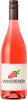
Lambouri WinerySummer Blush Dry
 Pink wine



This wine generally goes well with beef and mature and hard cheese.
The Summer Blush Dry of the Lambouri Winery is in the top 10 of wines of Lemesos.

Food and wine pairings with Summer Blush Dry
Pairings that work perfectly with Summer Blush Dry


Original food and wine pairings with Summer Blush Dry
The Summer Blush Dry of Lambouri Winery matches generally quite well with dishes of beef or mature and hard cheese such as recipes of beef luc lake or potato and st. nectaire pie.
Details and technical informations about Lambouri Winery's Summer Blush Dry.
Discover the grape variety: Hölder
Aromatic, lively whites to drink young, with a pale golden colour, an airy palate with preserved acidity, and signature aromas of citrus (lemon), white flowers, green apple and mineral notes close to Riesling. Distinctive aromatic profile. Grown on a few hectares in Franconia, it remains confidential and is used for typical dry whites. A German white variety bred in 1936 in Würzburg (Riesling × Silvaner), late-ripening.
Last vintages of this wine
The best vintages of Summer Blush Dry from Lambouri Winery are 2017, 2018, 2016, 0
Informations about the Lambouri Winery
The Lambouri Winery is one of of the world's greatest estates. It offers 15 wines for sale in the of Lemesos to come and discover on site or to buy online.

The wine region of Lemesos
Cyprus's largest wine region on the southern slopes of the Troodos around Limassol (Krasochoria). Signature native grapes. Mavro in light, approachable red with signature notes of cherry, ripe plum, Mediterranean herbs and a spicy touch, supple tannins. Xynisteri star in white: dry and mineral (citrus, green apple, herbs, saline touch), taut, thirst-quenching palate.
The word of the wine: Grape varieties
All the grape varieties that make up a vineyard, an appellation, a wine region.