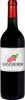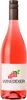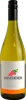
Winery Lacrima di GioiaCorse
 Red wine
This wine generally goes well with
Details and technical informations about Winery Lacrima di Gioia's Corse.
Discover the grape variety: Rousseli
Most certainly Provençal and more particularly, as its name indicates, from the Var department. It is in the process of disappearing because it is practically no longer multiplied in nurseries, although it is registered in the Official Catalogue of wine grape varieties, list A. It is probably a descendant of the white gouais and the black ouliven, to be continued! Rousseli is practically unknown in other wine-producing countries, in France it was used both as a table grape and as a wine grape.
Informations about the Winery Lacrima di Gioia
The Winery Lacrima di Gioia is one of wineries to follow in Vin de Corse.. It offers 1 wines for sale in the of Vin de Corse to come and discover on site or to buy online.

The wine region of Vin de Corse
Vin de Corse (or simply "Corsica") is the Generic name for Corsica, an island located in the Mediterranean between France and Italy. Although much closer to the Italian coast - and separated from Sardinia only by the narrow Strait of Bonifacio - the island has been under French rule since 1769. The Vin de Corse appellation includes several sub-regions, corresponding to five major wine-producing areas of Corsica: Porto-Vecchio, Figari, Sartene, Calvi and Cap Corse. The other places, Patrimonio and Ajaccio, are also Part of the general catchment area of Vin de Corse, but have their own appellations since 1968 and 1984 respectively.
The wine region of Corsica
Corsica is an island in the Mediterranean Sea, located between the southeast coast of Provence and the west coast of Tuscany. Although it is closer to Italy, Corsica has been under French rule since 1769 and is one of the 26 regions of France. The island's Italian origins are evident in its wines, which are mainly made from the classic Italian Grapes Vermentino and Sangiovese (known here as Rolle and Nielluccio respectively). Despite its remoteness, Corsican winemakers have amassed an impressive and diverse portfolio of grape varieties - there are very few places on earth where Pinot Noir, Tempranillo and Barbarossa grow side by side.
The word of the wine: Flavours
There are generally four so-called fundamental flavours: acidity, bitterness, sweetness and saltiness. The first three are considered to be the building blocks of the structure of wines. They are perceived by the taste buds that cover the surface of the tongue.