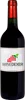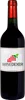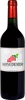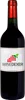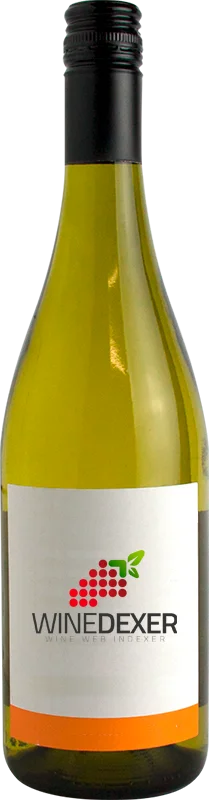
Winery LabMoscato
 White wine



In the mouth this white wine is a .
This wine generally goes well with pork, lean fish or shellfish.

Taste structure of the Moscato from the Winery Lab
Light | Bold | |
Dry | Sweet | |
Soft | Acidic |
In the mouth the Moscato of Winery Lab in the region of Lisboa is a .
Wine flavors and olphactive analysis

Food and wine pairings with Moscato
Pairings that work perfectly with Moscato



Original food and wine pairings with Moscato

The Moscato of Winery Lab matches generally quite well with dishes of pasta, pork or shellfish such as recipes of smoked salmon pasta gratin, tartiflette or pasta with mussels.
Details and technical informations about Winery Lab's Moscato.
Discover the grape variety: Gros vert
Simple and fresh dry whites, pale golden colour, supple mouth with moderate acidity, with understated aromas of citrus and white flowers. Discreet rustic profile. Almost extinct, preserved in INRAE varietal collections. Testifies to pre-phylloxera ampelographic diversity in the South-West. Rare French white grape formerly grown in the South-West.
Last vintages of this wine
The best vintages of Moscato from Winery Lab are 2014, 2019, 0, 2018 and 2015.
Informations about the Winery Lab
The Winery Lab is one of of the world's greatest estates. It offers 12 wines for sale in the of Lisboa to come and discover on site or to buy online.

The wine region of Lisboa
Vast coastal IGP north of Lisbon, Portugal's largest producer by volume. Accessible, sun-filled reds: fruity, spicy Castelão, dense Touriga Nacional (black fruit, violet), fleshy Trincadeira, deep Alicante Bouschet. Fresh, mineral whites: straight, lemony Arinto (star of Bucelas), aromatic Fernão Pires, round Vital and Malvasia. Structured reds from Alenquer, sparkling at Óbidos.
The word of the wine: Draft liquor (champagne)
After blending, the wine is bottled with a liqueur de tirage (a mixture of sugar and wine) and a yeast (selected yeasts). The yeast attacks the sugar and creates carbon dioxide. The fermentation, which lasts about two months, is prolonged by an ageing period (15 months minimum in total). The bottle is capped (some rare vintages are capped with a staple and a cork).