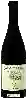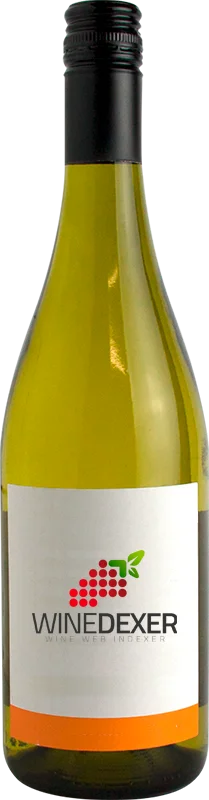
Les Vignerons de la VicomtéVignes & Clochers Vieilles Vignes Sauvignon
 White wine
This wine generally goes well with vegetarian, poultry or lean fish.

Food and wine pairings with Vignes & Clochers Vieilles Vignes Sauvignon
Pairings that work perfectly with Vignes & Clochers Vieilles Vignes Sauvignon



Original food and wine pairings with Vignes & Clochers Vieilles Vignes Sauvignon


The Vignes & Clochers Vieilles Vignes Sauvignon of Les Vignerons de la Vicomté matches generally quite well with dishes of pasta, vegetarian or poultry such as recipes of pasta with arrabiata, quiche lorraine or chicken with green olives.
Details and technical informations about Les Vignerons de la Vicomté's Vignes & Clochers Vieilles Vignes Sauvignon.
Discover the grape variety: Troyen
Simple, fresh dry whites with a pale golden colour, a supple palate with moderate acidity, and understated aromas of citrus and white flowers. Discreet Champenois profile. Nearly extinct, preserved in varietal collections for its heritage value, it belongs to the ancient grape varieties of Champagne and the Aube studied for their genetic and historical interest. A rare French white grape variety once cultivated in Champagne and the Aube.
Informations about the Les Vignerons de la Vicomté
The Les Vignerons de la Vicomté is one of wineries to follow in Languedoc-Roussillon.. It offers 298 wines for sale in the of Languedoc-Roussillon to come and discover on site or to buy online.

The wine region of Languedoc-Roussillon
Largest single French vineyard, dominated by sunny, generous reds. Spicy Syrah, candied Grenache (ripe fruit, garrigue), structured Carignan, deep Mourvèdre, supple Cinsault. Stars: structured Corbières, Minervois, Faugères, Saint-Chinian; round Côtes-du-Roussillon. Legendary vins doux naturels: Banyuls and Maury (fortified Grenache) with notes of cocoa, fig, prune.
The word of the wine: Effervescent
Any wine loaded with CO2 (carbon dioxide), which is revealed in the form of bubbles, reinforcing the freshness effect in the mouth. This gas production is the result of what is called the second fermentation in the bottle. It occurs in champagnes and sparkling wines such as crémants.