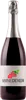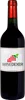
Winery La VersaPian dei Vicari Rosso
 Red wine


In the mouth this red wine is a powerful.
This wine generally goes well with beef, game (deer, venison) or lamb.
Taste structure of the Pian dei Vicari Rosso from the Winery La Versa
Light | Bold | |
Smooth | Tannic | |
Dry | Sweet | |
Soft | Acidic |
In the mouth the Pian dei Vicari Rosso of Winery La Versa in the region of Piedmont is a powerful.
Food and wine pairings with Pian dei Vicari Rosso
Pairings that work perfectly with Pian dei Vicari Rosso



Original food and wine pairings with Pian dei Vicari Rosso

The Pian dei Vicari Rosso of Winery La Versa matches generally quite well with dishes of beef, pasta or lamb such as recipes of sweet and sour turkish dumpling soup (eksili köfte), pasta with peas and bacon or pastillas with lamb and apricots.
Details and technical informations about Winery La Versa's Pian dei Vicari Rosso.
Discover the grape variety: Villard
Villard noir is a grape variety that originated in France (Rhône-Alpes valley). It is a variety resulting from a cross of the same species (interspecific hybridization). It produces a variety of grape specially used for wine making. It is rare to find this grape to eat on our tables. This variety of grape is characterized by medium-sized bunches and medium-sized grapes. Villard noir can be found in several vineyards: Provence & Corsica, Rhone Valley, Languedoc & Roussillon, Loire Valley, Savoie & Bugey, Beaujolais, Armagnac.
Last vintages of this wine
The best vintages of Pian dei Vicari Rosso from Winery La Versa are 0
Informations about the Winery La Versa
The Winery La Versa is one of of the world's great estates. It offers 86 wines for sale in the of Piedmont to come and discover on site or to buy online.

The wine region of Piedmont
Piedmont (Piemonte) holds an unrivalled place among the world's finest wine regions. Located in northwestern Italy, it is home to more DOCG wines than any other Italian region, including such well-known and respected names as Barolo, Barbaresco and Barbera d'Asti. Though famous for its Austere, Tannic, Floral">floral reds made from Nebbiolo, Piedmont's biggest success story in the past decade has been Moscato d'Asti, a Sweet, Sparkling white wine. Piedmont Lies, as its name suggests, at the foot of the Western Alps, which encircle its northern and western sides and form its naturally formidable border with Provence, France.
The word of the wine: Grape variety
A type of vine plant and, by extension, the term used to designate the grapes that come from it. The term "table grape" is used to designate the grapes used for consumption, whereas the term "grape variety" is used to designate the wine grapes used to make wine.