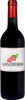
Domaine la ToupieImpro Libre Sans Soufre
 Red wine


In the mouth this red wine is a powerful with a nice balance between acidity and tannins.
This wine generally goes well with beef, veal or pasta.
Taste structure of the Impro Libre Sans Soufre from the Domaine la Toupie
Light | Bold | |
Smooth | Tannic | |
Dry | Sweet | |
Soft | Acidic |
In the mouth the Impro Libre Sans Soufre of Domaine la Toupie in the region of Pays d'Oc is a powerful with a nice balance between acidity and tannins.
Food and wine pairings with Impro Libre Sans Soufre
Pairings that work perfectly with Impro Libre Sans Soufre



Original food and wine pairings with Impro Libre Sans Soufre
The Impro Libre Sans Soufre of Domaine la Toupie matches generally quite well with dishes of beef, pasta or veal such as recipes of wild boar stew in burgundy style, trofie ( pasta ) paradiso or home-made coq au vin.
Details and technical informations about Domaine la Toupie's Impro Libre Sans Soufre.
Discover the grape variety: Touriga franca
Most certainly Portuguese. It is said to be the result of a cross between the mourisco de semente and the touriga nacional, which should not be confused with it. It can be found in Australia, South Africa, the United States (California), etc. and is virtually unknown in France.
Informations about the Domaine la Toupie
The Domaine la Toupie is one of of the world's great estates. It offers 18 wines for sale in the of Côtes Catalanes to come and discover on site or to buy online.

The wine region of Côtes Catalanes
The wine region of Côtes Catalanes is located in the region of Pays d'Oc of Vin de Pays of France. Wineries and vineyards like the Château de l'Ou or the Domaine Department 66 produce mainly wines red, white and pink. The most planted grape varieties in the region of Côtes Catalanes are Mourvèdre, Viognier and Cabernet-Sauvignon, they are then used in wines in blends or as a single variety. On the nose of Côtes Catalanes often reveals types of flavors of grapefruit, saline or pink grapefruit and sometimes also flavors of watermelon, nectarine or wax.
The wine region of Pays d'Oc
Pays d'Oc is the PGI for red, white and rosé wines that are produced over a wide area of the southern coast of France. The PGI catchment area corresponds roughly to the Languedoc-roussillon">Languedoc-Roussillon wine region, one of the largest wine regions in France. The area covers all wines that are not produced under the strict laws that govern AOC-level appellations in the regions: among them, Corbières, Minervois and the Languedoc appellation itself. The Pays d'Oc PGI is arguably the most important in France, producing the majority of the country's PGI wines.
The word of the wine: Basic wine
Dry, still wine intended for the production of sparkling wines (champagne, crémants, etc.). The basic wines undergo a second fermentation in the bottle for the production of carbon dioxide, and therefore of bubbles.