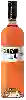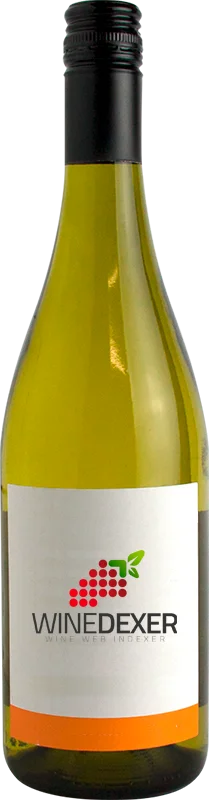
Winery La SanglièreSignature Blanc
 White wine



This wine generally goes well with

Details and technical informations about Winery La Sanglière's Signature Blanc.
Discover the grape variety: Durif
Powerful, deeply coloured reds with an inky, near-black robe, firm tannins and dense palate. Intense aromas of blackberry, plum, blackcurrant, black pepper, chocolate, spices and balsamic notes. Fine ageing potential. Near-extinct in France, it became a star as Petite Sirah in California (Napa, Lodi, Paso Robles) and is emblematic of Rutherglen, Australia. French variety created in 1880 by François Durif in the Isère (spontaneous cross of Syrah × Peloursin).
Informations about the Winery La Sanglière
The Winery La Sanglière is one of of the world's great estates. It offers 26 wines for sale in the of Côtes de Provence to come and discover on site or to buy online.

The wine region of Côtes de Provence
World reference for pale, elegant rosé: salmon to onion-skin hue, notes of strawberry, pink grapefruit, white peach and flowers, fresh, dry, mineral palate, taut finish. 90% of output, the Provençal signature. Grenache, Cinsault, Syrah and native Tibouren in the blend. A few fleshy Mediterranean reds (Mourvèdre, Syrah) and saline Vermentino whites.
The wine region of Provence
World capital of dry, refined rosé (~90% of production). Pale rose-petal colour, delicate nose of fresh red fruits (strawberry, raspberry, redcurrant), citrus (pink grapefruit), white flowers and a mineral touch, taut and thirst-quenching palate — the Mediterranean aperitif par excellence. Blends of Grenache, Cinsault, Syrah, Tibouren and Mourvèdre. Fleshy Bandol reds from Mourvèdre (leather, garrigue, age-worthy), straight Cassis whites.
The word of the wine: Wooded
A set of aromas brought about by ageing in barrels (usually oak). This can be pleasant when, in small doses, it brings a touch of spice, roast or vanilla to an already constructed ensemble. When the violent woodiness dominates the wine, it is quickly tiring. Easily identifiable aromatically, it is sought after (to the point of abuse) by the makers of coarse wines. New World manufacturers and, alas, some French winemakers use oak chips to impart the woody taste, which is tantamount to artificial flavoring.