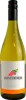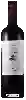
Winery La RiojanaFairtrade Organic Malbec
 Red wine


In the mouth this red wine is a powerful.
This wine generally goes well with poultry, beef or lamb.
Taste structure of the Fairtrade Organic Malbec from the Winery La Riojana
Light | Bold | |
Smooth | Tannic | |
Dry | Sweet | |
Soft | Acidic |
In the mouth the Fairtrade Organic Malbec of Winery La Riojana in the region of La Rioja is a powerful.
Food and wine pairings with Fairtrade Organic Malbec
Pairings that work perfectly with Fairtrade Organic Malbec



Original food and wine pairings with Fairtrade Organic Malbec
The Fairtrade Organic Malbec of Winery La Riojana matches generally quite well with dishes of beef, lamb or poultry such as recipes of american style beef marinade, leg of lamb in braillouse or gratin of coquillettes with ham.
Details and technical informations about Winery La Riojana's Fairtrade Organic Malbec.
Discover the grape variety: Malbec
Malbec, a high-yielding red grape variety, produces tannic and colourful wines. It is produced in different wine-growing regions and changes its name according to the grape variety. Called Auxerrois in Cahors, Malbec in Bordeaux, it is also known as Côt. 6,000 hectares of the Malbec grape are grown in France (in decline since the 1950s). Malbec is also very successful in Argentina. The country has become the world's leading producer of Malbec and offers wines with great potential.
Last vintages of this wine
The best vintages of Fairtrade Organic Malbec from Winery La Riojana are 0
Informations about the Winery La Riojana
The Winery La Riojana is one of of the world's great estates. It offers 18 wines for sale in the of La Rioja to come and discover on site or to buy online.

The wine region of La Rioja
La Rioja is a wine region in the foothills of the Andes Mountains in western Argentina, North of Mendoza and San Juan. Unlike its Spanish namesake, it has traditionally been associated most closely with white wines. The mountainous Terroir of the region is particularly suited to the Torrontés Riojano variety, which produces Fruity, Soft, Aromatic whites. Bonarda, Syrah, Cabernet Sauvignon and Malbec can also be found growing throughout the region.
The word of the wine: Density per hectare
Number of vines per hectare. For the same yield, a vine planted with 3,000 vines per hectare bears many more bunches (per vine) than a vine planted with 10,000. The grapes will therefore be less rich in sugar and polyphenols (tannins, aromas...).