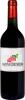
Winery La RasennaSyrah
 Red wine


In the mouth this red wine is a powerful with a nice balance between acidity and tannins.
This wine generally goes well with poultry, beef or veal.
Taste structure of the Syrah from the Winery La Rasenna
Light | Bold | |
Smooth | Tannic | |
Dry | Sweet | |
Soft | Acidic |
In the mouth the Syrah of Winery La Rasenna in the region of Lazio is a powerful with a nice balance between acidity and tannins.
Food and wine pairings with Syrah
Pairings that work perfectly with Syrah



Original food and wine pairings with Syrah

The Syrah of Winery La Rasenna matches generally quite well with dishes of beef, pasta or veal such as recipes of romazava (madagascar), salmon cannelloni or chicken in sauce.
Details and technical informations about Winery La Rasenna's Syrah.
Discover the grape variety: Limberger
Without much certainty, its origin would be German. It is a very old variety that has been cultivated for a long time in Germany, Austria, Italy, Croatia, Slovenia, the Czech Republic, Slovakia, Hungary, etc. Today, the Limberger is less and less multiplied. It is a direct descendant of the white gouais.
Last vintages of this wine

The best vintages of Syrah from Winery La Rasenna are 2016, 2008, 0, 2015 and 2014.
Informations about the Winery La Rasenna
The Winery La Rasenna is one of of the world's greatest estates. It offers 20 wines for sale in the of Lazio to come and discover on site or to buy online.

The wine region of Lazio
Lazio is a region in CentralItaly, where the ancient capital of Rome is located. The region's reputation is based primarily on its white wines, the main varieties of which are Trebbiano, Malvasia di Candia and Malvasia Puntinata. Traditionally, these wines were fat, Round, abboccato and intended for immediate consumption. Today, the styles are lighter, drier and crisper thanks to modern winemaking methods.
The word of the wine: Côte des Bar
This is the name given to the vineyards of the Aube, which are closer to Burgundy, and some of the wines produced here bear witness to this proximity. The pinot noir dominates, the meunier is practically absent. Two crus have become references: Riceys, where a rosé without bubbles is also produced, and Montgueux near Troyes, renowned for its Chardonnay.