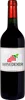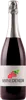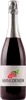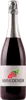
Winery La PianaLacrime di Bosco
 Sparkling wine



This wine generally goes well with

Details and technical informations about Winery La Piana's Lacrime di Bosco.
Discover the grape variety: Velika
Table grape with long bunches and spherical blue-black berries with thin skin and crunchy flesh, with a sweet, fresh taste. Early-ripening, productive and excellent keeping quality. Grown in California, Spain and Chile for export markets, prized for its attractive display appearance and good commercial shelf life. American black table grape variety obtained by crossing for fresh consumption.
Last vintages of this wine
The best vintages of Lacrime di Bosco from Winery La Piana are 0, 2016
Informations about the Winery La Piana
The Winery La Piana is one of of the world's greatest estates. It offers 9 wines for sale in the of Lambrusco Grasparossa di Castelvetro to come and discover on site or to buy online.

The wine region of Lambrusco Grasparossa di Castelvetro
DOC southwest of Modena in Emilia-Romagna, clay-limestone hills softened by the Apennines. Signature Lambrusco Grasparossa (85% min) as the fullest-bodied and most tannic sparkling red of the Lambrusco family. Fine bubble, deep ruby robe, dry to off-dry, with notes of blackberry, violet, black cherry, wild strawberry, herbs and spices, present tannins and fresh palate — lively and indulgent. Etruscan origins.
The wine region of Emilia-Romagna
Kingdom of Lambrusco: fresh, fruity sparkling reds (blackberry, cherry, violet), from gourmet dry to convivial off-dry, perfect with local charcuterie. World's best-selling sparkling wine on the Emilia side (Sorbara, Grasparossa, Salamino). East, Romagna: supple fruity Sangiovese, Albana (Italy's 1st white DOCG, 1987) ample and almondy. Also red Gutturnio and white Pignoletto.
The word of the wine: Grenache gris
A grey variety of Grenache grown in the Pyrénées-Orientales, the Aude and the southern Rhône valley. Its powerful and round wines are used in the blending of dry white or rosé wines and natural sweet wines.