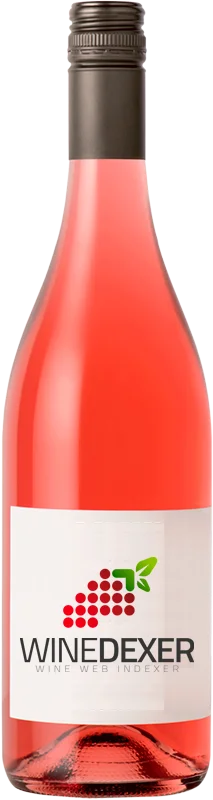
Domaine de la PertuisaneTêtu Rosé
 Pink wine



In the mouth this pink wine is a with a nice freshness.
This wine generally goes well with vegetarian, appetizers and snacks or lean fish.

Taste structure of the Têtu Rosé from the Domaine de la Pertuisane
Light | Bold | |
Dry | Sweet | |
Soft | Acidic |
In the mouth the Têtu Rosé of Domaine de la Pertuisane in the region of Pays d'Oc is a with a nice freshness.
Wine flavors and olphactive analysis


On the nose the Têtu Rosé of Domaine de la Pertuisane in the region of Pays d'Oc often reveals types of flavors of earth, tree fruit.
Food and wine pairings with Têtu Rosé
Pairings that work perfectly with Têtu Rosé



Original food and wine pairings with Têtu Rosé


The Têtu Rosé of Domaine de la Pertuisane matches generally quite well with dishes of pasta, vegetarian or appetizers and snacks such as recipes of macaroni and angel hair gratin, quiche with leeks and fresh salmon from flo or seed crackers.
Details and technical informations about Domaine de la Pertuisane's Têtu Rosé.
Discover the grape variety: Fel
Simple, fresh dry gris whites with a pale rose-copper robe, a supple palate with moderate acidity, and undemonstrative aromas of citrus and white flowers. A discreet rustic profile. Preserved in a few ampelographic collections, Fel is an ancient heritage variety whose commercial cultivation has almost vanished; it is studied for its genetic interest. A rare, poorly documented gris grape grown in negligible quantities.
Last vintages of this wine
The best vintages of Têtu Rosé from Domaine de la Pertuisane are 2018, 2017
Informations about the Domaine de la Pertuisane
The Domaine de la Pertuisane is one of of the world's greatest estates. It offers 10 wines for sale in the of Pays d'Oc to come and discover on site or to buy online.

The wine region of Pays d'Oc
The single-grape IGP par excellence: modern, accessible, frank and fruity wines, the popular signature of the Midi. Spicy Syrah reds (pepper, blackberry), round Merlot, structured Cabernet, generous Grenache, supple Cinsault. Crisp, tangy rosés. Opulent Chardonnay whites, lively Sauvignon, floral, apricoty Viognier.
The word of the wine: Musty (taste of)
A disgusting taste due to a defect in the grapes or, more commonly, a defect in the barrel.