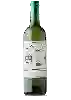
Winery Pierre Laforestl'Air du Temps Le Vieux Gaston Grande Reserve
 White wine
This wine generally goes well with vegetarian, rich fish (salmon, tuna etc) or shellfish.
Food and wine pairings with l'Air du Temps Le Vieux Gaston Grande Reserve
Pairings that work perfectly with l'Air du Temps Le Vieux Gaston Grande Reserve



Original food and wine pairings with l'Air du Temps Le Vieux Gaston Grande Reserve
The l'Air du Temps Le Vieux Gaston Grande Reserve of Winery Pierre Laforest matches generally quite well with dishes of rich fish (salmon, tuna etc), shellfish or vegetarian such as recipes of skate wing with shallots, chicken maffé (africa) or light tuna-tomato quiche (without cream).
Details and technical informations about Winery Pierre Laforest's l'Air du Temps Le Vieux Gaston Grande Reserve.
Discover the grape variety: Gros Manseng
Gros Manseng blanc is a grape variety that originated in France (Netherlands). It produces a variety of grape specially used for wine making. It is rare to find this grape to eat on our tables. This variety of grape is characterized by medium-sized bunches and small grapes. Gros Manseng blanc can be found in several vineyards: South-West, Languedoc & Roussillon, Cognac, Bordeaux, Armagnac, Provence & Corsica, Rhone valley, Loire valley, Savoie & Bugey, Beaujolais.
Informations about the Winery Pierre Laforest
The Winery Pierre Laforest is one of wineries to follow in Sud-Ouest.. It offers 120 wines for sale in the of South West to come and discover on site or to buy online.

The wine region of South West
The South-West is a large territorial area of France, comprising the administrative regions of Aquitaine, Limousin and Midi-Pyrénées. However, as far as the French wine area is concerned, the South-West region is a little less clear-cut, as it excludes Bordeaux - a wine region so productive that it is de facto an area in its own right. The wines of the South West have a Long and eventful history. The local rivers play a key role, as they were the main trade routes to bring wines from traditional regions such as Cahors, Bergerac, Buzet and Gaillac to their markets.
The word of the wine: Malolactic fermentation
Called second fermentation or malo for short. It is the degradation (under the effect of bacteria) of the malic acid naturally present in the wine into milder, less aggressive lactic acid. Some producers or wineries refuse this operation by "blocking the malo" (by cold and adding SO2) to keep a maximum of acidity which carries the aromas and accentuates the sensation of freshness.