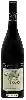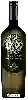
Winery La FortezzaBianco
 White wine


In the mouth this white wine is a powerful.
This wine generally goes well with vegetarian, appetizers and snacks or shellfish.
Taste structure of the Bianco from the Winery La Fortezza
Light | Bold | |
Dry | Sweet | |
Soft | Acidic |
In the mouth the Bianco of Winery La Fortezza in the region of Campania is a powerful.
Food and wine pairings with Bianco
Pairings that work perfectly with Bianco



Original food and wine pairings with Bianco
The Bianco of Winery La Fortezza matches generally quite well with dishes of shellfish, vegetarian or appetizers and snacks such as recipes of parsley knives, goat cheese and bacon quiche or smoked salmon and lemon cake.
Details and technical informations about Winery La Fortezza's Bianco.
Discover the grape variety: Perlon
A dual purpose grape variety (table and vat) obtained in Argentina by Angel Antonio Gargiulo by crossing the Emperor and the Perlette. It can also be found in Spain, Italy, Venezuela, etc. It should not be confused with perlona, which is a white grape variety of Italian origin. The crossing between the (ohanès x cardinal) and the Perlon (father) made it possible to obtain the big perlon, black table grape.
Last vintages of this wine
The best vintages of Bianco from Winery La Fortezza are 0
Informations about the Winery La Fortezza
The Winery La Fortezza is one of of the world's great estates. It offers 22 wines for sale in the of Campania to come and discover on site or to buy online.

The wine region of Campania
Campania is a region that forms the "tibia" of the boot of Italy, and whose largest city is Naples. Its name comes from Campania felix, a Latin phrase meaning roughly "happy land". The region has strong historical links with wine and vineyards, dating back to the 12th century BC, and is one of the oldest wine regions in Italy. The considerable influence of ancient empires, including the Greeks, Romans and Byzantines, means that some of the varieties in this region are linked to historical legends.
The word of the wine: Maceration
Prolonged contact and exchange between the juice and the grape solids, especially the skin. Not to be confused with the time of fermentation, which follows maceration. The juice becomes loaded with colouring matter and tannins, and acquires aromas. For a rosé, the maceration is short so that the colour does not "rise" too much. For white wines too, a "pellicular maceration" can be practised, which allows the wine to acquire more fat.