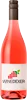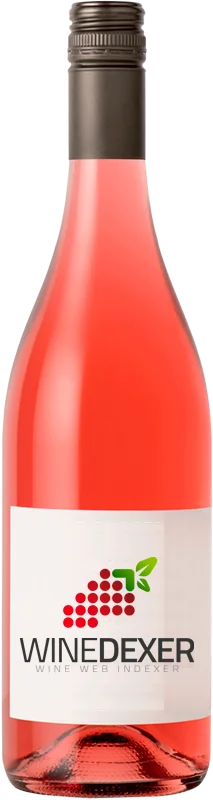
Winery La Ferme RougeLa Cuvée du Terroir Rosé
 Pink wine


This wine generally goes well with
The La Cuvée du Terroir Rosé of the Winery La Ferme Rouge is in the top 80 of wines of Zaër.

Details and technical informations about Winery La Ferme Rouge's La Cuvée du Terroir Rosé.
Discover the grape variety: Pinella blanca
Dry, fresh and lively whites with a pale golden robe, supple palate and preserved acidity; discreet aromas of white-fleshed fruits (apple, pear), white flowers and subtle herbal notes. Also made as a local sparkling wine. Confidential in the Treviso province, lending itself to a few heritage Venetian blends. Autochthonous white grape of Veneto, cultivated in confidential quantities.
Last vintages of this wine
The best vintages of La Cuvée du Terroir Rosé from Winery La Ferme Rouge are 2018, 0
Informations about the Winery La Ferme Rouge
The Winery La Ferme Rouge is one of of the world's great estates. It offers 35 wines for sale in the of Zaër to come and discover on site or to buy online.

The wine region of Zaër
Moroccan AOG between Rabat and Meknès (Had El Brachoua, 450 m), Mediterranean climate tempered by altitude. Merlot as signature red king — fleshy and sun-drenched with ripe cherry, plum, red fruits and a balsamic-spiced note, round tannins. Carignan, Tempranillo and Marcelan in structured reds. Chardonnay as signature white king — opulent with yellow fruits, white flowers and a honeyed solar touch.
The wine region of Rabat/Casablanca
Atlantic wine region of Morocco (western coast between Rabat and Casablanca, Atlas foothills), climate tempered by the ocean, clay-limestone and gravelly soils. Cinsault, Grenache, Carignan, Syrah, Cabernet and Merlot as dominant signatures (75%) — fleshy and fruity reds with intense ripe cherry, plum, red fruits and a spiced-balsamic Moroccan touch, round tannins. Chardonnay and autochthonous Faranah and Tamerzit as whites with exotic fruits. Five AOGs.
The word of the wine: Mouth
The mouth is the third stage of wine tasting after the eye and nose. In the mouth, the taster identifies the aromas through the retronasal route, the flavours and the texture. It is in the mouth that the overall balance of the wine is apprehended.