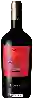
Winery La CasadaNero d'Avola
 Red wine


In the mouth this red wine is a powerful.
This wine generally goes well with beef, game (deer, venison) or lamb.

Taste structure of the Nero d'Avola from the Winery La Casada
Light | Bold | |
Smooth | Tannic | |
Dry | Sweet | |
Soft | Acidic |
In the mouth the Nero d'Avola of Winery La Casada in the region of Veneto is a powerful.
Food and wine pairings with Nero d'Avola
Pairings that work perfectly with Nero d'Avola



Original food and wine pairings with Nero d'Avola

The Nero d'Avola of Winery La Casada matches generally quite well with dishes of beef, pasta or lamb such as recipes of beef tagliata with truffle oil, chinese chicken soup or tunisian macaroni.
Details and technical informations about Winery La Casada's Nero d'Avola.
Discover the grape variety: Nero d'Avola
Full-bodied, warm reds with deep colour and generous alcohol, with aromas of blackberry, black cherry jam, plum, liquorice, chocolate and Mediterranean spice. Ripe tannins and a broad, sunny finish. The star of Sicily (Nero d'Avola Sicilia DOC, Cerasuolo di Vittoria DOCG blended with Frappato, Eloro DOC). Native Sicilian variety, also called Calabrese, the most planted on the island.
Last vintages of this wine
The best vintages of Nero d'Avola from Winery La Casada are 2018, 2014, 0
Informations about the Winery La Casada
The Winery La Casada is one of of the world's greatest estates. It offers 19 wines for sale in the of Veneto to come and discover on site or to buy online.

The wine region of Veneto
World star of Prosecco: fresh, light Glera sparklers with notes of pear, green apple and white flowers, fruity, convivial bubbles. Veronese reds from Corvina and Rondinella: light, crisp Bardolino, fruity Valpolicella, opulent, concentrated Amarone DOCG (black cherry, chocolate, raisin) from dried grapes. Mineral, almondy Soave (Garganega) whites, fresh Pinot Grigio. 97,500 ha, Italy's largest production.
The word of the wine: Balance
Harmony of the different organoleptic elements of a wine. The balance is linked to the typicity of each wine. The sweetness of a sweet wine is an element of its balance, whereas a Sancerre or a Chablis will be asked to be lively and dry.