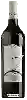
Château la BastideGrande Réserve Cabardés
 Red wine
In the mouth this red wine is a powerful with a nice balance between acidity and tannins.
This wine generally goes well with beef, veal or pasta.
Taste structure of the Grande Réserve Cabardés from the Château la Bastide
Light | Bold | |
Smooth | Tannic | |
Dry | Sweet | |
Soft | Acidic |
In the mouth the Grande Réserve Cabardés of Château la Bastide in the region of Languedoc-Roussillon is a powerful with a nice balance between acidity and tannins.
Food and wine pairings with Grande Réserve Cabardés
Pairings that work perfectly with Grande Réserve Cabardés



Original food and wine pairings with Grande Réserve Cabardés
The Grande Réserve Cabardés of Château la Bastide matches generally quite well with dishes of beef, pasta or veal such as recipes of beef bourguignon with tomato, pasta shells or roast veal orloff with mushrooms.
Details and technical informations about Château la Bastide's Grande Réserve Cabardés.
Discover the grape variety: Crescent
A direct-producer hybrid of American origin resulting from an interspecific cross between Saint Pepin and Elmer Swenson 6-8-25 (vitis riparia X Hamburg muscatel) obtained in 1988 by Peter Hemstad and James Luby at the University of Minnesota Research Center (United States). It can also be found in Canada, Ukraine, Russia, etc. and is virtually unknown in France.
Informations about the Château la Bastide
The Château la Bastide is one of of the world's great estates. It offers 28 wines for sale in the of Cabardès to come and discover on site or to buy online.

The wine region of Cabardès
Cabardes is a relatively small appellation for red and rosé wines produced in the hills just North of Carcassonne in Southern France. The appellation was introduced in 1999, to represent and ensure the quality of the wines, which have been produced here since Roman times. The Languedoc-Roussillon/cabards">Cabardès catchment area, situated in the foothills of the Montagne Noire, is on the border between the Languedoc-Roussillon and the South West of France. This dual identity is reflected in the Grape varieties that make up the wines of the appellation: Grenache and Syrah from the south and east of France; Cabernet Franc, Cabernet Sauvignon and Merlot from the southwest and Bordeaux.
The wine region of Languedoc-Roussillon
Languedoc (formerly Coteaux du Languedoc) is a key appellation used in the Languedoc-Roussillon wine region of southern France. It covers Dry table wines of all three colors (red, white and rosé) from the entire region, but leaves Sweet and Sparkling wines to other more specialized appellations. About 75% of all Languedoc wines are red, with the remaining 25% split roughly down the middle between whites and rosés. The appellation covers most of the Languedoc region and almost a third of all the vineyards in France.
The word of the wine: Astringent
Said of a wine that is a bit harsh and rough on the palate. Astringency often appears in young red wines that are rich in tannins and need to be rounded out.