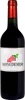
Winery L'AvventuraRosato del Frusinate Rosé
 wine
wine
This wine generally goes well with
The Rosato del Frusinate Rosé of the Winery L'Avventura is in the top 0 of wines of del Frusinate.

Details and technical informations about Winery L'Avventura's Rosato del Frusinate Rosé.
Discover the grape variety: Moscato Bianco
Charming, aromatic whites with a pale golden robe, a luscious and slightly sparkling palate, showing intense signature aromas of muscat, rose, sage, white flowers, fresh grape and exotic fruits. A festive, delicate profile with low alcohol. The undisputed star of Asti DOCG and Moscato d'Asti DOCG in Piedmont, the signature of Italy's great muscats. The Italian synonym for Muscat Blanc à Petits Grains, one of the oldest aromatic varieties cultivated in the world.
Informations about the Winery L'Avventura
The Winery L'Avventura is one of of the world's greatest estates. It offers 8 wines for sale in the of del Frusinate to come and discover on site or to buy online.

The wine region of del Frusinate
IGT of Lazio (Frosinone, Ciociaria) south-east of Rome, mosaic of limestone, clay and volcanic soils, continental Mediterranean climate. Cesanese is the signature indigenous red (Comune and di Affile, emblem of Ciociaria): spiced and fruity with red cherry, raspberry, violet, pepper, herbs and a mineral touch, fine tannins and lively acidity, ageing potential. Dense Montepulciano and fresh Sangiovese complement. Lively Trebbiano and floral Malvasia in whites.
The wine region of Lazio
Two-millennia Roman vineyard, predominantly white on the volcanic soils of the Castelli Romani. Frascati DOC as figurehead: fresh, accessible whites based on Malvasia and Trebbiano, notes of green apple, white flowers and almond, slightly bitter finish. Also Bellone and Grechetto. Emblematic red: Cesanese del Piglio DOCG, fleshy with notes of ripe cherry, dry herbs and spice, round tannins.
The word of the wine: Sulphur
An antiseptic and antioxidant substance known since antiquity, probably already used by the Romans. But it was only in modern times that its use was rediscovered. It will allow a better conservation of the wine and thus favour its export. Sulphur also gave the 18th century winegrower the possibility of extending the maceration period without fearing that the wine would turn sour and thus go from dark rosé wines to the red wines of today. Excessive sulphur, on the other hand, kills happiness, paralysing the aromas and causing headaches.