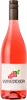
Κτήμα Ζαφειράκη (Domaine Zafeirakis)Limniona New Age
 wine
wine
This wine generally goes well with
The Limniona New Age of the Κτήμα Ζαφειράκη (Domaine Zafeirakis) is in the top 0 of wines of Tyrnavos.

Details and technical informations about Κτήμα Ζαφειράκη (Domaine Zafeirakis)'s Limniona New Age.
Discover the grape variety: Verdelet
Simple, lively whites with a pale golden robe, an airy palate with preserved acidity, and understated aromas of citrus and white flowers. Disease-resistant. Grown mainly in Canada (Quebec, Ontario) and the northeastern USA for vineyards with harsh continental climates. A French white hybrid obtained by Albert Seibel (Seibel 9110).
Last vintages of this wine



The best vintages of Limniona New Age from Κτήμα Ζαφειράκη (Domaine Zafeirakis) are 2019, 2018, 0
Informations about the Κτήμα Ζαφειράκη (Domaine Zafeirakis)
The Κτήμα Ζαφειράκη (Domaine Zafeirakis) is one of of the world's great estates. It offers 23 wines for sale in the of Tyrnavos to come and discover on site or to buy online.

The wine region of Tyrnavos
PGI from Thessaly at the foot of Mount Olympus (Larissa district, draining limestone soils pH 7–7. 8, plain framed by the river, optimal aromatic conditions, IGP 1990): Roditis and Muscat of Hamburg are the signature native varieties — Roditis for lively whites with citrus; Muscat of Hamburg for highly aromatic sparkling and still wines. Limniona as a promising native red in revival. Savatiano, Debina, Chardonnay and Sauvignon as whites; Cabernet and Syrah as red complements.
The wine region of Thessalia
Greek continental IGP (Larissa, Magnesia, Karditsa, Trikala) between Olympus, the Pindus and the Aegean, altitude vineyards, dry continental climate. Limniona signature indigenous red king in full revival: elegant and fresh with red cherry, raspberry, Mediterranean herbs, fine spices and floral touch, fine tannins and vibrant acidity — compared to Greek Pinot Noir. Structured Xinomavro in red, saline Assyrtiko and floral Malagousia in identity whites.
The word of the wine: Cordial
Said of a warm, heady wine. Also used to describe wines and spirits with allegedly therapeutic properties.