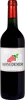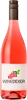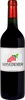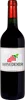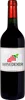
Winery KonečnýPinot - Cab
 Red wine



This wine is a blend of 2 varietals which are the Cabernet-Sauvignon and the Pinot noir.
This wine generally goes well with pork, poultry or beef.
Wine flavors and olphactive analysis

Food and wine pairings with Pinot - Cab
Pairings that work perfectly with Pinot - Cab



Original food and wine pairings with Pinot - Cab



The Pinot - Cab of Winery Konečný matches generally quite well with dishes of beef, lamb or veal such as recipes of pork shoulder with mustard, lamb delight with tomato and cinnamon or home-made coq au vin.
Details and technical informations about Winery Konečný's Pinot - Cab.
Discover the grape variety: Cabernet-Sauvignon
Cabernet-Sauvignon noir is a grape variety that originated in France (Bordeaux). It produces a variety of grape specially used for wine making. It is rare to find this grape to eat on our tables. This variety of grape is characterized by small bunches, and small grapes. Cabernet-Sauvignon noir can be found in many vineyards: South-West, Loire Valley, Languedoc & Roussillon, Cognac, Bordeaux, Armagnac, Rhone Valley, Provence & Corsica, Savoie & Bugey, Beaujolais.
Last vintages of this wine
The best vintages of Pinot - Cab from Winery Konečný are 0
Informations about the Winery Konečný
The Winery Konečný is one of of the world's greatest estates. It offers 29 wines for sale in the of Morava to come and discover on site or to buy online.

The wine region of Morava
Moravia, with roughly 95 percent of the nation's Vine plantings, is the engine room of the Czech Republic's wine industry. The Center of intensively farmed bulk-wine production is also showing great promise as a producer of quality white wines. This is largely thanks to its cool Climate, comparable in many ways to that in Nahe or Pfalz, the white-wine specialists a few hundred miles west in Germany. Moravian winelands enjoy a Vineyard year well suited to the production of Complex aromatics with good Acidity.
The word of the wine: Disgorging (champagne)
This is the evacuation of the deposit formed by the yeasts during the second fermentation in the bottle, by opening the bottle. The missing volume is completed with the liqueur de dosage - a mixture of wine and cane sugar - before the final cork is placed. For some years now, some producers have been replacing this sugar with rectified concentrated musts (concentrated grape juice) which give excellent results. A too recent dosage (less than three months) harms the gustatory harmony of the champagne.