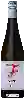
Winery KőfejtőJuhfark
 White wine



This wine generally goes well with
The Juhfark of the Winery Kőfejtő is in the top 60 of wines of Nagy-Somló.
Wine flavors and olphactive analysis



On the nose the Juhfark of Winery Kőfejtő in the region of Balaton often reveals types of flavors of non oak, earth or oak and sometimes also flavors of tree fruit, spices.
Details and technical informations about Winery Kőfejtő's Juhfark.
Discover the grape variety: Merlot khantus
An interspecific cross between Merlot noir and Kozma 20-3 (also the same parents of Merlot khorus) obtained in 2002 by Simone Diego Castellarin and Guido Cipriani at the Institute of Applied Genomics in Udine, Italy. Merlot khantus is particularly resistant to mildew and tolerant to powdery mildew. Known in Italy ... almost unknown in France and not registered in the Official Catalogue of wine grape varieties.
Last vintages of this wine
The best vintages of Juhfark from Winery Kőfejtő are 2016, 0, 2017
Informations about the Winery Kőfejtő
The Winery Kőfejtő is one of of the world's greatest estates. It offers 6 wines for sale in the of Nagy-Somló to come and discover on site or to buy online.

The wine region of Nagy-Somló
The wine region of Nagy-Somló is located in the region of Balaton of Hungary. Wineries and vineyards like the Domaine Kreinbacher or the Domaine Kreinbacher produce mainly wines white, red and sparkling. The most planted grape varieties in the region of Nagy-Somló are Furmint, Harslevelu and Chardonnay, they are then used in wines in blends or as a single variety. On the nose of Nagy-Somló often reveals types of flavors of citrus, cherry or pear and sometimes also flavors of stone, cheese or straw.
The wine region of Balaton
Balatonboglar (South Balaton) is one of several wine regions on the shores of Lake Balaton, in the Transdanubia region of western Hungary. Lake Balaton is a Long, thin freshwater lake measuring almost 80 kilometers (50 miles) in Length, sometimes referred to as the 'Hungarian Sea. ' It is the largest lake in Central Europe and Hungary's most popular tourist destination. A wide portfolio of the popular, internationally recognized Grape varieties are grown here, including a number of the French classics.
The word of the wine: Stripped
Said of a wine that is generally too old and has lost its colour, volume and power.