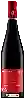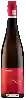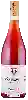
Winery KnappJagdhaus Hubertus Pinot Noir - Spätburgunder Rosé
 Pink wine
This wine generally goes well with pork, vegetarian or poultry.
Food and wine pairings with Jagdhaus Hubertus Pinot Noir - Spätburgunder Rosé
Pairings that work perfectly with Jagdhaus Hubertus Pinot Noir - Spätburgunder Rosé



Original food and wine pairings with Jagdhaus Hubertus Pinot Noir - Spätburgunder Rosé



The Jagdhaus Hubertus Pinot Noir - Spätburgunder Rosé of Winery Knapp matches generally quite well with dishes of veal, pork or game (deer, venison) such as recipes of saltimbocca alla romana, brussels sprouts with bacon in a casserole or roast duck breast or duck fillet with dried apricots.
Details and technical informations about Winery Knapp's Jagdhaus Hubertus Pinot Noir - Spätburgunder Rosé.
Discover the grape variety: Pinot noir
Pinot noir is an important red grape variety in Burgundy and Champagne, and its reputation is well known! Great wines such as the Domaine de la Romanée Conti elaborate their wines from this famous grape variety, and make it a great variety. When properly vinified, pinot noit produces red wines of great finesse, with a wide range of aromas depending on its advancement (fruit, undergrowth, leather). it is also the only red grape variety authorized in Alsace. Pinot Noir is not easily cultivated beyond our borders, although it has enjoyed some success in Oregon, the United States, Australia and New Zealand.
Informations about the Winery Knapp
The Winery Knapp is one of of the world's greatest estates. It offers 20 wines for sale in the of Baden to come and discover on site or to buy online.

The wine region of Baden
Baden is the southernmost of Germany's 13 official wine regions. It is also the warmest. Its relatively sunny, DryClimate permits the production of good-quality Spätburgunder (Pinot Noir) and ripe, relatively Full-bodied">Full-bodied examples of Grauburgunder (Pinot Gris) and Weissburgunder (Pinot Blanc). These are often made in oaked styles.
The word of the wine: Thinning
Also known as green harvesting, the practice of removing excess bunches of grapes from certain vines, usually in July, but sometimes later. This is often necessary, but not always a good thing, as the remaining bunches often gain weight.