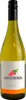
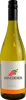
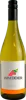
Winery Kmetija HedeleMalvazija
 White wine



This wine generally goes well with
The Malvazija of the Winery Kmetija Hedele is in the top 40 of wines of Vipava.

Wine flavors and olphactive analysis

On the nose the Malvazija of Winery Kmetija Hedele in the region of Primorje often reveals types of flavors of earth, tree fruit or citrus fruit.
Details and technical informations about Winery Kmetija Hedele's Malvazija.
Discover the grape variety: Melon
Crisp, dry whites with a pale robe, lean palate and lively acidity, showing delicate aromas of lemon, green apple, white flowers, pear, fresh almond and characteristic saline, iodine notes. Refreshing, ideal with Atlantic seafood. Star of Muscadet AOC (Sèvre-et-Maine, Côtes de Grandlieu, Coteaux de la Loire), aged on lees for added body. Native Burgundian variety (synonym Melon de Bourgogne), offspring of Pinot × Gouais blanc.
Last vintages of this wine
The best vintages of Malvazija from Winery Kmetija Hedele are 2013, 2016, 0, 2017 and 2015.
Informations about the Winery Kmetija Hedele
The Winery Kmetija Hedele is one of of the world's greatest estates. It offers 3 wines for sale in the of Vipava to come and discover on site or to buy online.

The wine region of Vipava
Western Slovenian valley between Julian Alps and Adriatic, mild climate and marl soils (>2,300 ha). Mostly elegant whites with persistent bouquet. Signature Rebula (Ribolla Gialla) with notes of pear, citrus, white flowers, fresh almond and a saline mineral touch, taut palate. Also lively Sauvignon Blanc, ample Chardonnay, floral Malvasia.
The wine region of Primorje
Coastal region of western Slovenia, the country's most qualitative, bordering Italy. Signature elegant whites and orange wines. Star Rebula (Ribolla Gialla) with signature notes of pear, citrus, white flowers, fresh almond and a mineral touch, taut and long palate — often in long maceration (orange) with dried fruits and black tea notes. Native Refošk as dense, lively red (black cherry, iron).
The word of the wine: Vinification of sweet wines
Moelleux and liquoreux wines are characterized by the presence of residual sugars (natural sugar of the grape), not transformed into alcohol under the effect of yeasts. The fermentation is stopped by cold and by the addition of sulphur dioxide (sulphur).