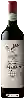
Winery KingstonSir George Red
 Red wine


This wine generally goes well with

Details and technical informations about Winery Kingston's Sir George Red.
Discover the grape variety: Trollinger
Light, fruity reds to drink young with an almost rosé-clear ruby robe, supple tannins and an airy palate with preserved acidity, showing signature aromas of red fruits (cherry, strawberry, redcurrant), mild spices and floral notes. Accessible thirst-quenching wines. Star of Württemberg (the region's most planted red variety), defining Swabian wine identity. German synonym for Italian Schiava (Vernatsch in South Tyrol).
Informations about the Winery Kingston
The Winery Kingston is one of of the world's great estates. It offers 71 wines for sale in the of Australie du Sud to come and discover on site or to buy online.

The wine region of Australie du Sud
Cradle of the great Australian Shiraz: powerful, sun-drenched reds with notes of blackberry, candied plum, pepper, chocolate and eucalyptus, ample tannins and vibrant fruit (Barossa, McLaren Vale). Firm, minty Cabernet Sauvignon on Coonawarra (terra rossa). Dry, lemony Riesling from Clare and Eden Valley, straight and taut. Fresh Sauvignon and Chardonnay from Adelaide Hills.
The word of the wine: Chopine
Small bottle with a capacity of 50 centilitres.