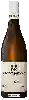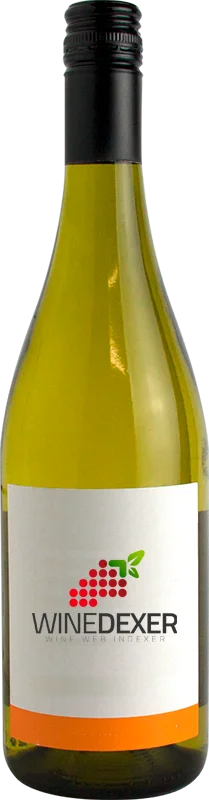
Winery KershawThe Cutler Sauvignon Blanc - Semillon
 White wine



This wine generally goes well with vegetarian, poultry or rich fish (salmon, tuna etc).
Wine flavors and olphactive analysis



On the nose the The Cutler Sauvignon Blanc - Semillon of Winery Kershaw in the region of Western Cape often reveals types of flavors of earth, vegetal or tree fruit and sometimes also flavors of citrus fruit, tropical fruit.
Food and wine pairings with The Cutler Sauvignon Blanc - Semillon
Pairings that work perfectly with The Cutler Sauvignon Blanc - Semillon



Original food and wine pairings with The Cutler Sauvignon Blanc - Semillon


The The Cutler Sauvignon Blanc - Semillon of Winery Kershaw matches generally quite well with dishes of rich fish (salmon, tuna etc), shellfish or sweet desserts such as recipes of round zucchini stuffed with tuna, marinated mussels with parsley or chocolate fondant.
Details and technical informations about Winery Kershaw's The Cutler Sauvignon Blanc - Semillon.
Discover the grape variety: Baco
Baco blanc is a grape variety that originated in France (Landes). It is a variety resulting from a cross of the same species (interspecific hybridization). It produces a variety of grape specially used for wine making. It is rare to find this grape to eat on our tables. It should be noted that this grape variety can also be used for the elaboration of eaux de vie. This variety of vine is characterized by bunches of medium to large size, and grapes of medium to large size. Baco blanc is found in the vineyards of Languedoc & Roussillon.
Last vintages of this wine
The best vintages of The Cutler Sauvignon Blanc - Semillon from Winery Kershaw are 0, 2016
Informations about the Winery Kershaw
The Winery Kershaw is one of of the world's great estates. It offers 29 wines for sale in the of Western Cape to come and discover on site or to buy online.

The wine region of Western Cape
The Western Cape is home to the vast majority of the South African wine industry, and the country's two most famous wine regions, Stellenbosch and Paarl. The city of Cape Town serves as the epicenter of the Cape Winelands, a mountainous, biologically diverse area in the south-western corner of the African continent. A wide variety of wines are produced here. Wines from the Shiraz and Pinotage">Pinotage grape varieties can be fresh and juicy or Full-bodied and gutsy.
The word of the wine: Prompt bud
A bud that develops in the year of its formation and gives an entrecoeur.