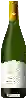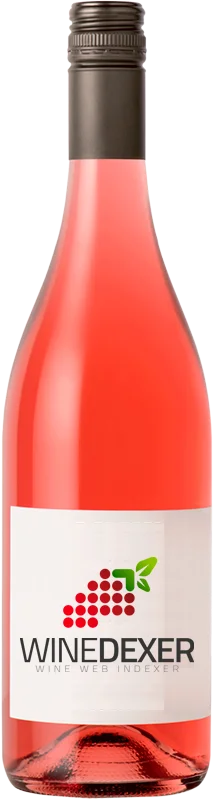
Winery Ken ForresterRosé du Cap
 Pink wine
This wine generally goes well with pork, poultry or beef.

Food and wine pairings with Rosé du Cap
Pairings that work perfectly with Rosé du Cap



Original food and wine pairings with Rosé du Cap



The Rosé du Cap of Winery Ken Forrester matches generally quite well with dishes of beef, pork or game (deer, venison) such as recipes of roast beef casserole, capellini with prosciutto or aiguillettes of duck with auvergne blue cheese.
Details and technical informations about Winery Ken Forrester's Rosé du Cap.
Discover the grape variety: Viognier
Opulent, heady whites, rich and silky, with intense aromas of apricot, yellow peach, mango, violet, honeysuckle and musky, honeyed notes. Discreet acidity, creamy finish. Star of Condrieu AOC and Château-Grillet AOC, co-vinified in Côte-Rôtie with Syrah (up to 20%). Widely exported to California (Central Coast), Australia (Eden Valley) and Languedoc. A Rhône variety.
Informations about the Winery Ken Forrester
The Winery Ken Forrester is one of of the world's great estates. It offers 73 wines for sale in the of Stellenbosch to come and discover on site or to buy online.

The wine region of Stellenbosch
Showcase of the South African vineyard: signature Cabernet Sauvignon as king red — structured and age-worthy with notes of blackcurrant, blackberry, cedar, tobacco and a menthol touch, firm tannins. Emblematic national Pinotage (created 1925) opulent and smoky (blackberry, coffee, leather). Fleshy Shiraz, supple Merlot as complement. Vibrant Chenin Blanc, ample Chardonnay and lively Sauvignon in whites.
The wine region of Western Cape
Cradle of South African wine. Signature Chenin Blanc (Steen, 20%) in ample, fresh whites with notes of quince, yellow apple, honey and acacia flower, from crisp dry to sweet. Sharp, iodised Sauvignon Blanc (Walker Bay, Constantia), balanced Chardonnay. Reds: emblematic Pinotage with roasted aromas (coffee, plum, smoke), firm Cabernet Sauvignon, spicy Syrah.
The word of the wine: Anthocyanins
Phenolic compounds present in the skin of grapes that give colour to red wines during maceration.