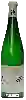
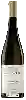
Winery Karl PetgenGrauer Burgunder Spätlese
 White wine


In the mouth this white wine is a .
This wine generally goes well with pork, cured meat or mushrooms.

Taste structure of the Grauer Burgunder Spätlese from the Winery Karl Petgen
Light | Bold | |
Dry | Sweet | |
Soft | Acidic |
In the mouth the Grauer Burgunder Spätlese of Winery Karl Petgen in the region of Mosel is a .
Food and wine pairings with Grauer Burgunder Spätlese
Pairings that work perfectly with Grauer Burgunder Spätlese


Original food and wine pairings with Grauer Burgunder Spätlese

The Grauer Burgunder Spätlese of Winery Karl Petgen matches generally quite well with dishes of pork, spicy food or mushrooms such as recipes of peasant minestrone, spicy chicken and mustard pie or curried veal roulades.
Details and technical informations about Winery Karl Petgen's Grauer Burgunder Spätlese.
Discover the grape variety: Big Muscat seedless
Table grape with long clusters of seedless golden berries, thin skin and crunchy flesh, with an intense muscat flavour. Very aromatic. Very rarely vinified. Grown in California, Australia and Chile for export markets, prized for its seductive muscat aroma, attractive appearance and long shelf life. American seedless muscat table grape, obtained by crossing for fresh consumption.
Last vintages of this wine
The best vintages of Grauer Burgunder Spätlese from Winery Karl Petgen are 0
Informations about the Winery Karl Petgen
The Winery Karl Petgen is one of of the world's greatest estates. It offers 36 wines for sale in the of Mosel to come and discover on site or to buy online.

The wine region of Mosel
Kingdom of lively, crystalline Riesling: citrus, green apple, gunflint, tangy tension and signature slate minerality. From light, fruity Kabinett to off-dry Spätlese, up to sweet Auslese and Trockenbeerenauslese of rare finesse. Some supple Müller-Thurgau and lively Elbling. Steeply sloped vineyards (up to 65% at the Bremmer Calmont) on blue and grey slate, 5,400 ha of Riesling (61.
The word of the wine: Noble rot
A fungus called botrytis cinerea that develops during the over-ripening phase, an ally of great sweet white wines, when it concentrates the juice of the berries. It requires the humidity of morning fogs and beautiful sunny days, gives musts very rich in sugar and brings to the wines the famous taste of "roasted".