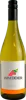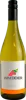
Winery Karl H. JohnerWeiβer Burgunder
 White wine


In the mouth this white wine is a powerful with a nice freshness.
This wine generally goes well with rich fish (salmon, tuna etc), shellfish or mild and soft cheese.

Taste structure of the Weiβer Burgunder from the Winery Karl H. Johner
Light | Bold | |
Dry | Sweet | |
Soft | Acidic |
In the mouth the Weiβer Burgunder of Winery Karl H. Johner in the region of Baden is a powerful with a nice freshness.
Wine flavors and olphactive analysis


On the nose the Weiβer Burgunder of Winery Karl H. Johner in the region of Baden often reveals types of flavors of earth, oak or tree fruit and sometimes also flavors of citrus fruit, tropical fruit.
Food and wine pairings with Weiβer Burgunder
Pairings that work perfectly with Weiβer Burgunder



Original food and wine pairings with Weiβer Burgunder

The Weiβer Burgunder of Winery Karl H. Johner matches generally quite well with dishes of rich fish (salmon, tuna etc), shellfish or mild and soft cheese such as recipes of skate wings with capers, jambalaya (louisiana) or mont d'or and potato pie.
Details and technical informations about Winery Karl H. Johner's Weiβer Burgunder.
Discover the grape variety: Schönburger
Supple and aromatic reds to drink young with a clear ruby robe, soft tannins and an airy palate with fresh acidity, signature musky aromas, red fruits (cherry, raspberry) and floral notes. Fresh northern profile. Grown in Germany, England and Canada, well-adapted to northern viticultural climates, offering accessible reds. German black grape obtained in 1979 at Geisenheim (Pinot Noir x Pirovano 1).
Last vintages of this wine
The best vintages of Weiβer Burgunder from Winery Karl H. Johner are 2018, 2017, 2016, 0 and 2015.
Informations about the Winery Karl H. Johner
The Winery Karl H. Johner is one of of the world's greatest estates. It offers 29 wines for sale in the of Baden to come and discover on site or to buy online.

The wine region of Baden
German capital of Pinot Noir (Spätburgunder): silky, fine reds with notes of red fruits, cherry, undergrowth and sweet spices, melted tannins. Round Grauburgunder (Pinot Gris), lively Weissburgunder, supple Müller-Thurgau, mineral Riesling. Germany's 3rd region (15,000 ha) in Baden-Württemberg facing Alsace, one of the country's warmest climates, volcanic soils at the Kaiserstuhl. Cradle of modern great German reds, elegant and fine.
The word of the wine: Village
Term used in certain regions to identify a particular sector within a larger appellation (Beaujolais, Côtes-du-Rhône).