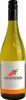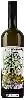
Winery Karl Friedrich AustWeissburgunder Radebeuler Goldener Wagen
 White wine


In the mouth this white wine is a with a nice freshness.
This wine generally goes well with rich fish (salmon, tuna etc), shellfish or mild and soft cheese.

Taste structure of the Weissburgunder Radebeuler Goldener Wagen from the Winery Karl Friedrich Aust
Light | Bold | |
Dry | Sweet | |
Soft | Acidic |
In the mouth the Weissburgunder Radebeuler Goldener Wagen of Winery Karl Friedrich Aust in the region of Sachsen is a with a nice freshness.
Food and wine pairings with Weissburgunder Radebeuler Goldener Wagen
Pairings that work perfectly with Weissburgunder Radebeuler Goldener Wagen



Original food and wine pairings with Weissburgunder Radebeuler Goldener Wagen

The Weissburgunder Radebeuler Goldener Wagen of Winery Karl Friedrich Aust matches generally quite well with dishes of rich fish (salmon, tuna etc), shellfish or mild and soft cheese such as recipes of pan-fried salmon papillote, yakisoba (fried noodles) or tagliatelle san daniele.
Details and technical informations about Winery Karl Friedrich Aust's Weissburgunder Radebeuler Goldener Wagen.
Discover the grape variety: Kalecik karasi
Supple, elegant reds with a light ruby robe, fine tannins and fresh acidity, showing delicate aromas of strawberry, raspberry, red cherry, rose, sweet spices and floral notes. Airy, refreshing palate, compared to pinot noir for its finesse. Star of the Kalecik slopes along the Kızılırmak river near Ankara, one of the great ambassadors of the Turkish wine revival. Autochthonous Anatolian variety, saved from extinction by Ankara University in the 1970s.
Last vintages of this wine
The best vintages of Weissburgunder Radebeuler Goldener Wagen from Winery Karl Friedrich Aust are 0
Informations about the Winery Karl Friedrich Aust
The Winery Karl Friedrich Aust is one of of the world's greatest estates. It offers 22 wines for sale in the of Sachsen to come and discover on site or to buy online.

The wine region of Sachsen
The northernmost and one of the smallest German wine regions (507 ha), the Elbe valley on loess and granite. Lively, mineral whites largely dominate (81%). Signature Müller-Thurgau with signature notes of light muscat, green apple, white flowers and a citrus touch, supple palate. Taut, chiselled Riesling (lemon, peach), round Weißburgunder (pear, almond), ample Grauburgunder, rare aromatic Goldriesling.
The word of the wine: Sirupy
Close to the sensation of unctuousness, said of a wine that gives the impression of having the consistency of a syrup.