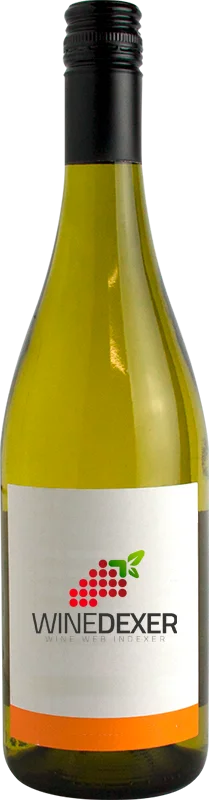
Winery Karel PrusaRyzlink Vlašský Pozdní Sběr
 White wine



This wine generally goes well with

Details and technical informations about Winery Karel Prusa's Ryzlink Vlašský Pozdní Sběr.
Discover the grape variety: Gros Verdot
Deep-coloured, simple reds with an intense ruby robe, smooth tannins and a supple palate, with simple aromas of red fruits (cherry, raspberry), soft spices and herbaceous notes. Profile for drinking young. Now marginal, preserved in INRAE varietal collections and a few heritage plots in the Bordelais and Médoc. French autochthonous variety from the South-West, not to be confused with Petit Verdot, a witness to ancient Aquitaine varieties.
Last vintages of this wine
The best vintages of Ryzlink Vlašský Pozdní Sběr from Winery Karel Prusa are 2016, 0
Informations about the Winery Karel Prusa
The Winery Karel Prusa is one of of the world's greatest estates. It offers 12 wines for sale in the of Mikulovska to come and discover on site or to buy online.

The wine region of Mikulovska
Wine sub-region of South Moravia (Czech Republic) around Mikulov, 4,750 ha dominated by whites. Signature Veltlínské zelené (Grüner Veltliner), introduced by the Romans: lively, precise whites with signature notes of green apple, citrus, white pepper, fresh herbs and a limestone mineral touch, a taut palate - the quintessential Czech aperitif. Also fresh Welschriesling (lemon, flowers), aromatic Müller-Thurgau, chiselled Riesling, Chardonnay, Sauvignon Blanc. Loess and limestone soils.
The wine region of Morava
Predominantly white region, lively and mineral: crisp, peppery Grüner Veltliner, taut Riesling with citrus, supple, floral Müller-Thurgau, aromatic Pálava, the local signature (muscat, white flowers). More discreet reds: spicy Frankovka (Blaufränkisch) with black fruits, fine, silky Saint Laurent. Temperate continental climate, 4 sub-regions: Mikulov, Velké Pavlovice, Znojmo, Slovácko. ~96% of the Czech vineyard, 73 grapes grown.
The word of the wine: Wiring
Action of periodically filling barrels containing wine, in order to offset evaporation and maintain a maximum level. The topping up allows to avoid the phenomenon of oxidation.


