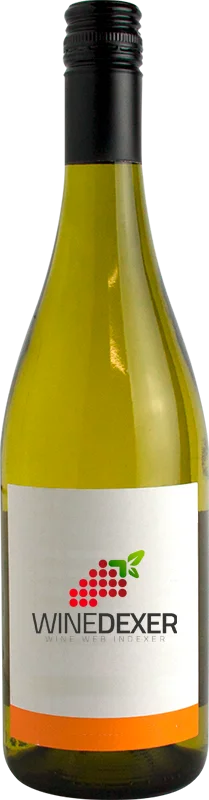
Winery KaravitakisElia Vidiano
 White wine



This wine generally goes well with
Wine flavors and olphactive analysis


On the nose the Elia Vidiano of Winery Karavitakis in the region of Crete often reveals types of flavors of non oak, oak or tree fruit and sometimes also flavors of spices, citrus fruit.
Discover the grape variety: Vidiano
A very old grape variety grown in Greece, mostly at high altitudes, it is believed to have originated on the island of Crete. It can also be found in the United States, but is practically unknown in France. According to A.D.N. analyses, it is related to Thrapsthiri and Vilana.
Last vintages of this wine
The best vintages of Elia Vidiano from Winery Karavitakis are 2019, 0
Informations about the Winery Karavitakis
The Winery Karavitakis is one of of the world's great estates. It offers 43 wines for sale in the of Chania to come and discover on site or to buy online.

The wine region of Chania
The wine region of Chania is located in the region of Crete of Greece. Wineries and vineyards like the Domaine Manousakis or the Domaine Dourakis (Ντουρακης) produce mainly wines white, red and pink. The most planted grape varieties in the region of Chania are Cabernet-Sauvignon, Vilana and Vidiano, they are then used in wines in blends or as a single variety. On the nose of Chania often reveals types of flavors of non oak, oak or tree fruit and sometimes also flavors of spices, citrus fruit or earth.
The wine region of Crete
The wine region of Crete of Greece. Wineries and vineyards like the Domaine Lyrarakis or the Domaine Economou (Oikonomoy) produce mainly wines white, red and pink. The most planted grape varieties in the region of Crete are Vidiano, Vilana and Cabernet-Sauvignon, they are then used in wines in blends or as a single variety. On the nose of Crete often reveals types of flavors of red fruit, cocoa or raisin and sometimes also flavors of mushroom, red cherry or red fruit.
The word of the wine: Tanin
A natural compound contained in the skin of the grape, the seed or the woody part of the bunch, the stalk. The maceration of red wines allows the extraction of tannins, which give the texture, the solidity and also the mellowness when the tannins are "ripe". The winemaker seeks above all to extract the tannins from the skin, the ripest and most noble. The tannins of the seed or stalk, which are "greener", especially in average years, give the wine hardness and astringency. The wines of Bordeaux (based on Cabernet and Merlot) are full of tannins, those of Burgundy much less so, with Pinot Noir containing little.