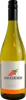
Winery KapellenhofGrauer Burgunder Barrique
 White wine
In the mouth this white wine is a .
This wine generally goes well with pork, cured meat or mushrooms.

Taste structure of the Grauer Burgunder Barrique from the Winery Kapellenhof
Light | Bold | |
Dry | Sweet | |
Soft | Acidic |
In the mouth the Grauer Burgunder Barrique of Winery Kapellenhof in the region of Pfalz is a .
Food and wine pairings with Grauer Burgunder Barrique
Pairings that work perfectly with Grauer Burgunder Barrique



Original food and wine pairings with Grauer Burgunder Barrique

The Grauer Burgunder Barrique of Winery Kapellenhof matches generally quite well with dishes of pork, spicy food or mushrooms such as recipes of rabbit socks in gibelotte, garantita or karantita (algerian recipe) or beef stroganoff.
Details and technical informations about Winery Kapellenhof's Grauer Burgunder Barrique.
Discover the grape variety: Periquita
Supple, fruity reds with an intense ruby color, smooth tannins and a generous palate, offering signature aromas of red fruits (raspberry, strawberry, blackberry), plum, cherry, soft spices and Mediterranean herbaceous notes. An accessible, sunny profile. Essential component of Setúbal Peninsula DOC (where it bears this name), Palmela DOC, Alentejo DOC and Tejo DOC reds. Portuguese synonym for castelão, one of Portugal's most planted indigenous varieties.
Informations about the Winery Kapellenhof
The Winery Kapellenhof is one of of the world's greatest estates. It offers 17 wines for sale in the of Pfalz to come and discover on site or to buy online.

The wine region of Pfalz
Fleshy, dry, fruity Riesling is the region's signature: yellow peach, apricot, ripe citrus, lovely mineral tension. Germany's largest red-wine area (40%), with silky Spätburgunder showing red fruit and spice, darker structured Dornfelder, supple Portugieser. Some rounded Pinot Blanc and Pinot Gris. A 23,640 ha vineyard along the Haardt, among Germany's warmest (>2,000 h of sun).
The word of the wine: Perlant
Said of a slightly effervescent wine.