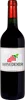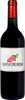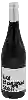
Winery Julien DelrieuTaillemouche Cabernet Sauvignon
 Red wine


This wine generally goes well with poultry, beef or lamb.

Food and wine pairings with Taillemouche Cabernet Sauvignon
Pairings that work perfectly with Taillemouche Cabernet Sauvignon



Original food and wine pairings with Taillemouche Cabernet Sauvignon

The Taillemouche Cabernet Sauvignon of Winery Julien Delrieu matches generally quite well with dishes of beef, lamb or spicy food such as recipes of celine's version of moussaka (5th meeting), lamb tagine with broad beans or chicken fajitas.
Details and technical informations about Winery Julien Delrieu's Taillemouche Cabernet Sauvignon.
Discover the grape variety: Cabernet-Sauvignon
Structured, tannic reds, deeply coloured, with aromas of blackcurrant, blackberry, cedar, tobacco and graphite, underpinned by firm acidity and fine ageing potential. Cornerstone of the great Médoc estates (Pauillac, Saint-Estèphe, Saint-Julien) and signature of Napa Valley, Coonawarra and Maipo. The world's most planted red variety, a natural cross of Cabernet Franc x Sauvignon Blanc born in Bordeaux.
Last vintages of this wine
The best vintages of Taillemouche Cabernet Sauvignon from Winery Julien Delrieu are 0, 2018
Informations about the Winery Julien Delrieu
The Winery Julien Delrieu is one of of the world's greatest estates. It offers 6 wines for sale in the of Vin de France to come and discover on site or to buy online.

The wine region of Vin de France
The freest category of French wine, the playground of winemakers working outside the AOC. All styles combined: fruity reds, lively or ambitious whites, everyday rosés, unusual blends, natural wines, atypical grapes (Petit Manseng in Languedoc, Riesling in Provence), experimental winemaking (skin-contact whites, no sulphur). Grape and vintage labelling allowed, no geographic constraint. From the pop, convivial cuvée to the artisan gem: freedom in a bottle.
The word of the wine: Residual sugars
Sugars not transformed into alcohol and naturally present in the wine. The perception of residual sugars is conditioned by the acidity of the wine. The more acidic the wine is, the less sweet it will seem, given the same amount of sugar.